 Commercial Refrigeration
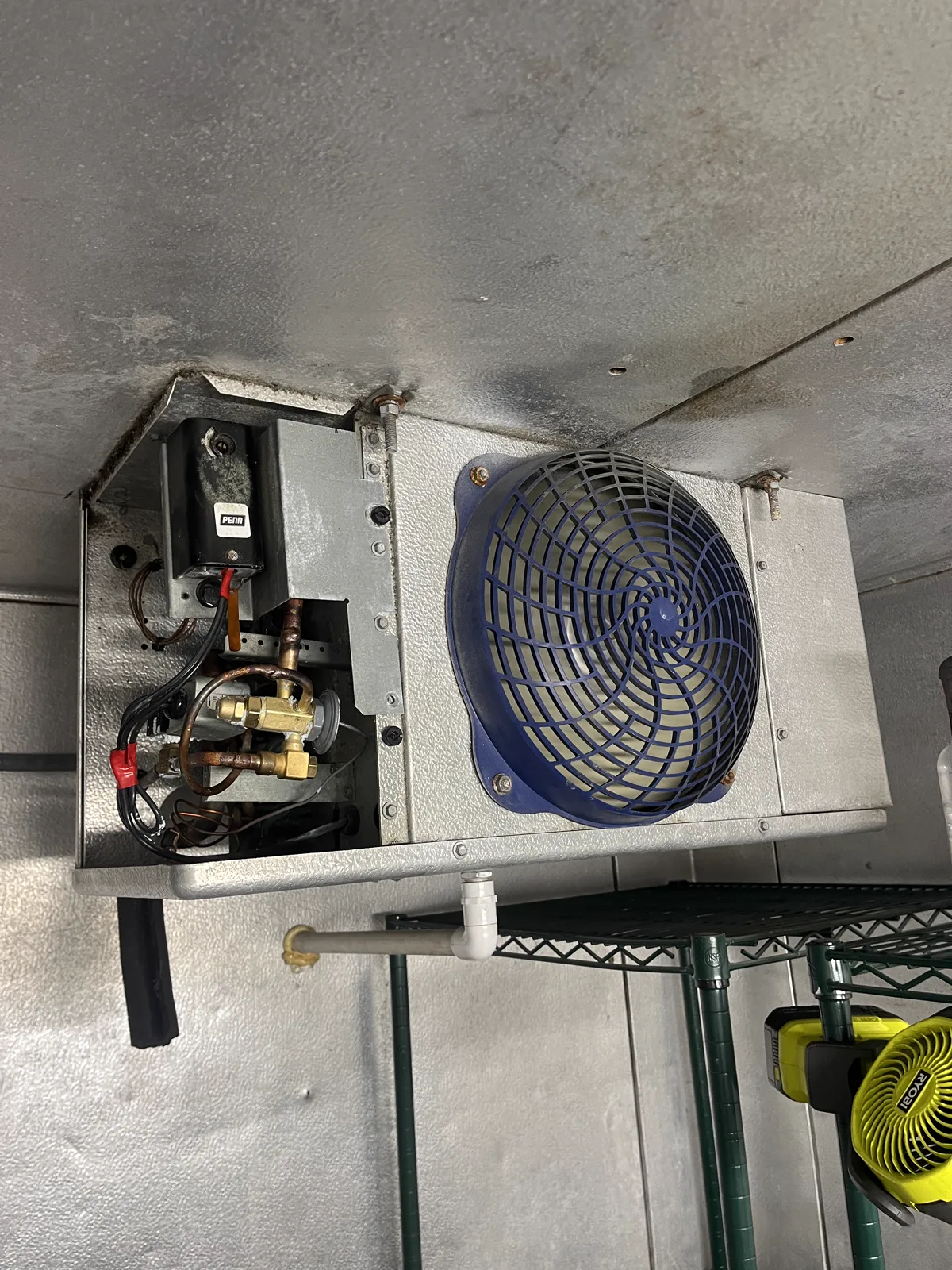
Walk-In Cooler TXV Replacement
TXV valve replacement and a refrigerant-system flush for contamination in a walk-in cooler.
View completed workCommercial cold-equipment service
Commercial display refrigeration service for deli, meat, seafood, bakery, floral, open-air, and freezer cases.
Service directory
Select the equipment and the work you need: repair an existing fault, plan installation or replacement, or arrange maintenance.
Refrigerated display case repair for poor temperature control, condensation, airflow, drains, and presentation-related problems.
Open service page → 02Glass-door merchandiser repair for commercial display coolers with fogging, door faults, fan noise, and uneven cooling.
Open service page → 03Open-air merchandiser repair for warm shelves, disturbed air curtains, drainage, evaporator icing, and refrigeration faults.
Open service page → 04Deli case repair for commercial service displays with temperature drift, condensation, airflow, drain, or control problems.
Open service page → 05Meat display case repair for temperature instability, airflow problems, drainage, frost, and refrigeration controls.
Open service page → 06Seafood display case repair for cooling, drain, corrosion, airflow, and control concerns in commercial food displays.
Open service page → 07Refrigerated bakery display repair for temperature drift, moisture, fan problems, and controls in pastry and dessert cases.
Open service page → 08Floral cooler repair for unstable temperatures, airflow concerns, condensation, and controls in flower storage and display equipment.
Open service page → 09Island freezer repair for open or lidded merchandisers with frost, warming, drain problems, and control faults.
Open service page →Better service intake
01IdentifyBrand, full model, serial, equipment type, and installation.
02ObserveTemperatures, errors, sounds, leaks, frost, timing, and recent changes.
03LocateProperty type, ZIP, equipment location, access, and operating constraints.
Choose the case's actual purpose and construction. Open-air equipment relies on an air curtain; enclosed glass displays add door and condensation concerns; freezers require low-temperature and frost-control checks.
Provide the model, affected shelf or section, and whether the machinery is local or remote. Useful observations help narrow the inspection, while product safety and merchandising decisions remain separate from the diagnosis of the refrigeration equipment.
Recent completed work
See recent repairs documented by our technicians with actual photos of the equipment and completed scope.
Commercial Refrigeration
TXV valve replacement and a refrigerant-system flush for contamination in a walk-in cooler.
View completed work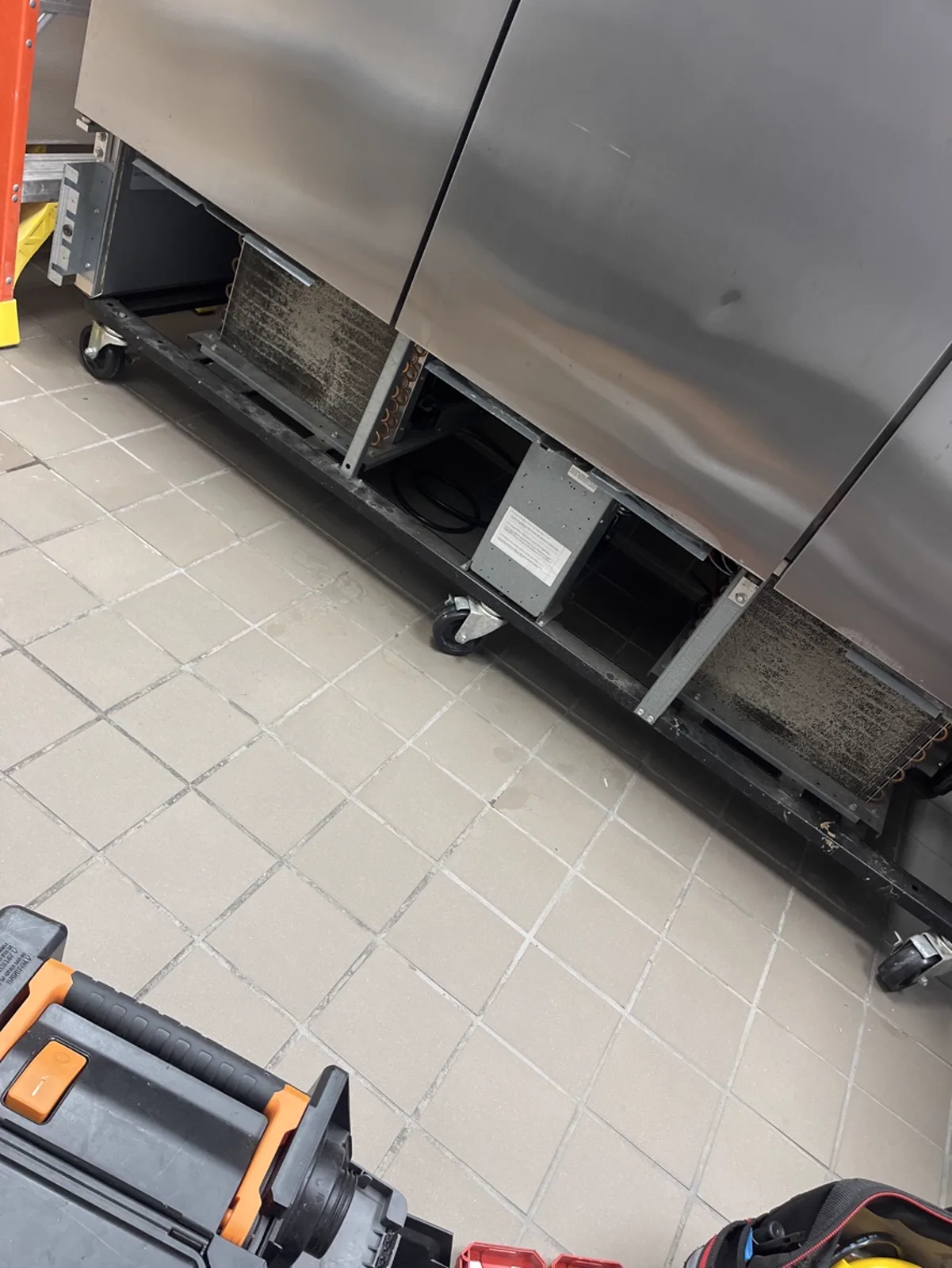 Commercial Refrigeration
Before-and-after chemical deep cleaning of a commercial True refrigerator condenser.
View completed work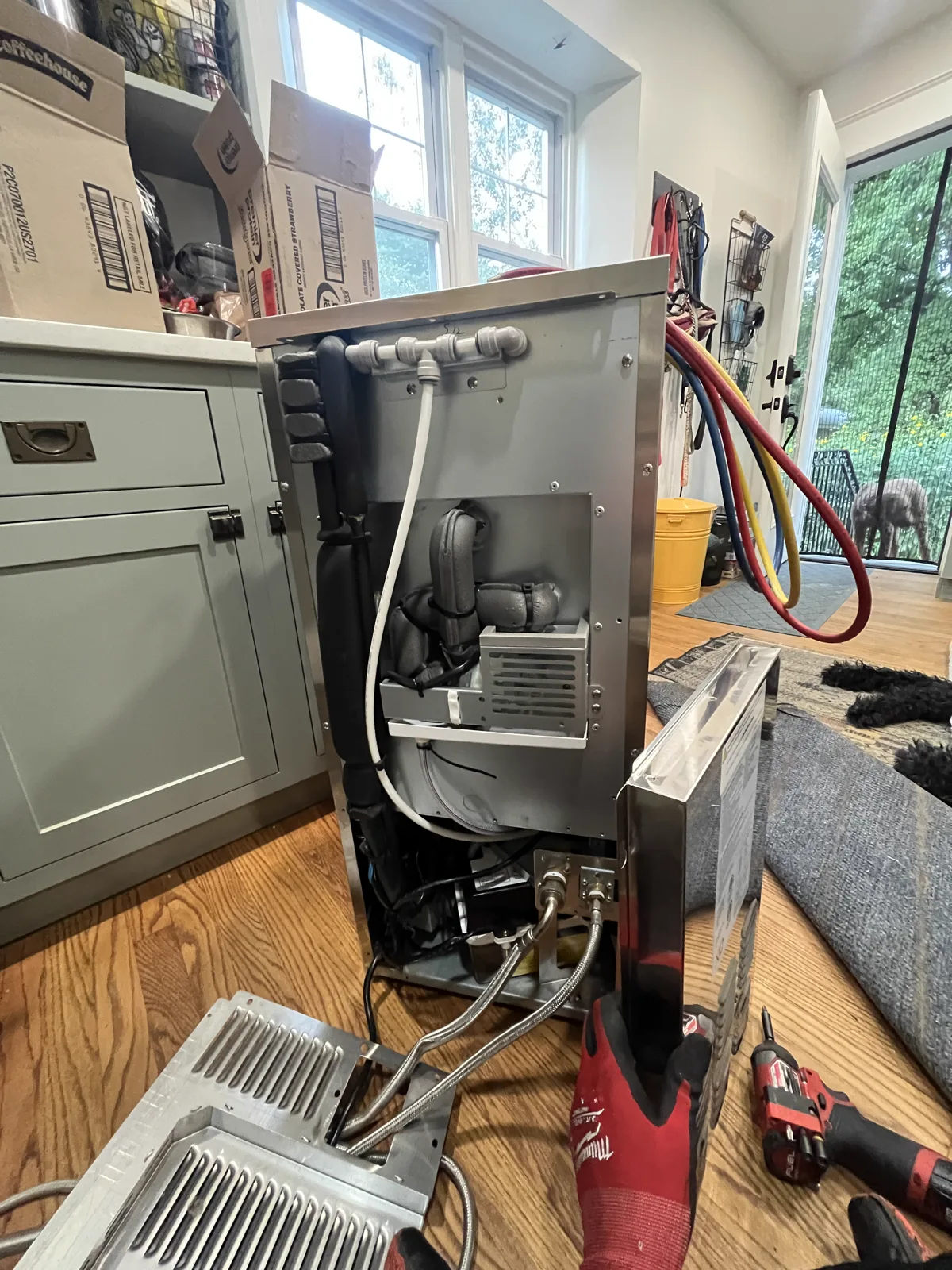 Commercial Refrigeration
Water pump replacement and water-line cleaning inside a commercial ice maker.
View completed work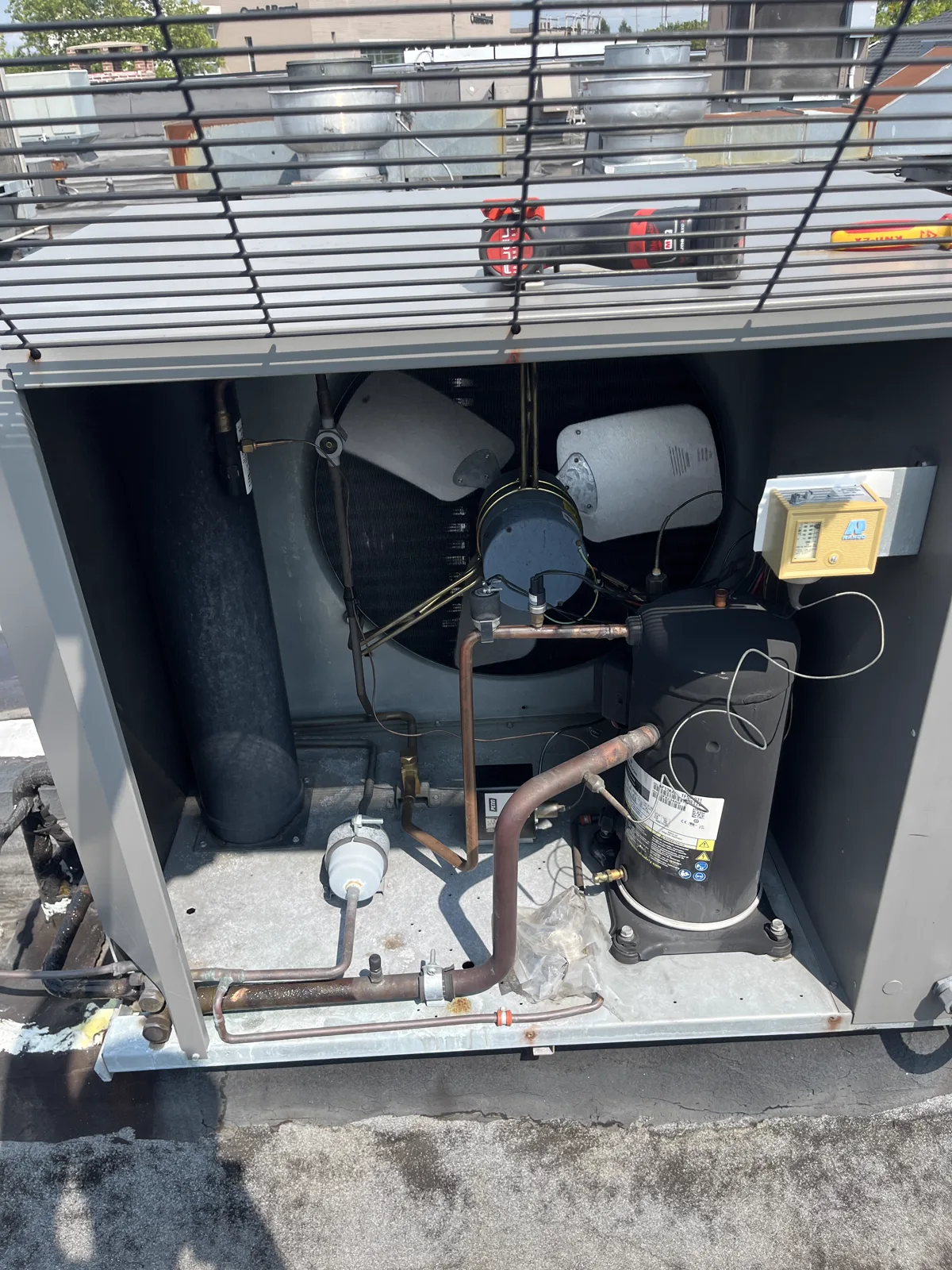 Commercial Refrigeration
Completed restaurant walk-in refrigerator repair documented with condensing equipment, controls, cabinet equipment, and a video of heavy frost conditions.
View completed workDisplay refrigeration has two jobs: presenting stock to customers and maintaining the conditions intended for that equipment. A case can still look attractive while its performance changes. Premier provides refrigerated display case service for Bucks County and Montgomery County businesses, including closed-door merchandisers and open displays. Identify what the case is designed to hold and whether the complaint concerns cooling, water, lighting, doors, or visibility.
Our refrigerated display case repair category covers the broad range of equipment. A display used for beverages, a deli service case, and a floral cooler should not be treated as interchangeable cabinets. The model and application help establish what normal operation means and whether the current use matches the equipment’s intended purpose.
An open-air case uses a designed airflow pattern across an opening rather than a customer door. Store drafts, nearby entrances, supply-air outlets, and loading arrangement can affect that pattern. If performance changed after a floor-layout or ventilation change, include it in the request. The refrigeration system still needs assessment, but the area around the display may help explain why the problem appeared.
Open-air merchandiser repair considers both equipment operation and the installation context. Describe whether the change affects the entire display, the front edge, or particular shelves. Follow the case’s loading guidance and keep intended air openings unobstructed. Do not assume lowering the setpoint will correct a disturbed airflow pattern or a mechanical problem.
On a closed merchandiser, a door that drifts open or a damaged gasket can affect the cooling load. Condensation on glass may also involve surrounding conditions or components specific to the case. Tell us whether moisture is inside, outside, or appears to be between layers of glass. Those are different observations and should not be combined into a single complaint that the refrigerator is leaking.
For glass-door merchandiser repair, include the number of doors and whether one area or all sections are affected. Lighting failure is another separate issue: a dark case can make products hard to see without indicating that refrigeration has stopped. The repair discussion should distinguish presentation problems from faults that change the equipment’s cooling performance.
A deli case may be opened from the staff side and loaded differently from a self-service merchandiser. Shelving, trays, covers, and access patterns influence how the case performs. Deli case repair starts with those details rather than assuming every glass-fronted unit has the same design. Mention any change in display layout or products held before the problem began.
Bakery and other specialty displays also need to be identified by their actual refrigeration design and intended application. A case marketed for one purpose should not be assumed suitable for every product merely because it feels cool. Product suitability and handling follow your business procedures. Equipment diagnosis establishes whether the unit is operating as intended and whether an installation or mechanical issue needs correction.
Some displays contain their own condensing equipment; others connect to refrigeration elsewhere in the building. When several cases develop symptoms at once, preserve the timing and identify which displays remain unaffected. The issue may involve shared equipment or controls, but that connection must be confirmed. A floor location and asset label are more reliable than referring to every case by a manufacturer name alone.
Let us know where associated equipment is located and who can provide access. Remote systems may involve restricted service areas or coordination with building management. Staff should not open equipment panels or adjust shared controls to isolate a complaint. For larger installations, supermarket display case repair helps identify the type of system involved in the request.
Before a visit, record the symptom and any displayed alarm, and explain when the case is normally loaded or emptied. If stock has to be relocated under your procedures, preserve notes about the original arrangement. A completely emptied case can behave differently from one under normal trading conditions, so the technician benefits from knowing how it was used when the problem appeared.
Repair access may involve removing surrounding merchandising fixtures or coordinating a clear working area. Discuss who is responsible for those arrangements before work starts. Avoid moving a connected case or disturbing fixed shelving to investigate behind it. The plan should protect access to the equipment while keeping customer movement, staff tasks, and the business’s handling procedures organized.
A defined repair can be appropriate for a sound case, while serious cabinet damage, recurring failures, or an unsuitable application may justify replacement planning. Compare the usable display arrangement as well as the cooling components. A replacement with different doors, shelf dimensions, or an open front can change customer access, stocking routines, and the conditions required around the equipment.
Consider utilities, ventilation, drainage, remote-system compatibility where applicable, and the route into the premises. Commercial refrigeration maintenance can help organize planned care for cases that remain in service. For Bucks and Montgomery County locations, include access restrictions and an informed site contact with the request so any repair or replacement discussion accounts for the actual selling space.
Ready to request service?
Online service request
Share the equipment, location, and preferred appointment window. We will contact you to confirm availability.