 Commercial Refrigeration
Walk-In Cooler TXV Replacement
TXV valve replacement and a refrigerant-system flush for contamination in a walk-in cooler.
View completed workCommercial cold-equipment service
Repair services for sandwich, salad, and pizza prep tables with ingredient-rail, cabinet, and refrigeration problems.
Service directory
Select the equipment and the work you need: repair an existing fault, plan installation or replacement, or arrange maintenance.
Refrigerated prep table repair in Bucks and Montgomery County for sandwich, salad, and pizza stations with warm pans, weak base cooling, frost, or leaks.
Open service page → 02Refrigerated prep table service for a warming ingredient rail, poor base cooling, leaks, frost, and controls.
Open service page → 03Sandwich prep table repair for warm ingredient pans, base-cabinet faults, poor sealing, fan problems, and drainage.
Open service page → 04Pizza prep table repair for extended topping rails, refrigerated base storage, door seals, and cooling controls.
Open service page → 05Salad prep table repair for unstable ingredient temperatures, base-cabinet warming, frost, leaks, and lid problems.
Open service page →Better service intake
01IdentifyBrand, full model, serial, equipment type, and installation.
02ObserveTemperatures, errors, sounds, leaks, frost, timing, and recent changes.
03LocateProperty type, ZIP, equipment location, access, and operating constraints.
Pizza tables often combine a long topping rail with broad storage, while sandwich and salad stations have their own pan and lid arrangements. Use the matching service and describe the affected part of the equipment.
Pan temperature, cabinet temperature, and leaks are useful separate observations. Providing all three when relevant helps avoid a repair plan based only on a controller display or the general statement that the table is not cold.
Recent completed work
See recent repairs documented by our technicians with actual photos of the equipment and completed scope.
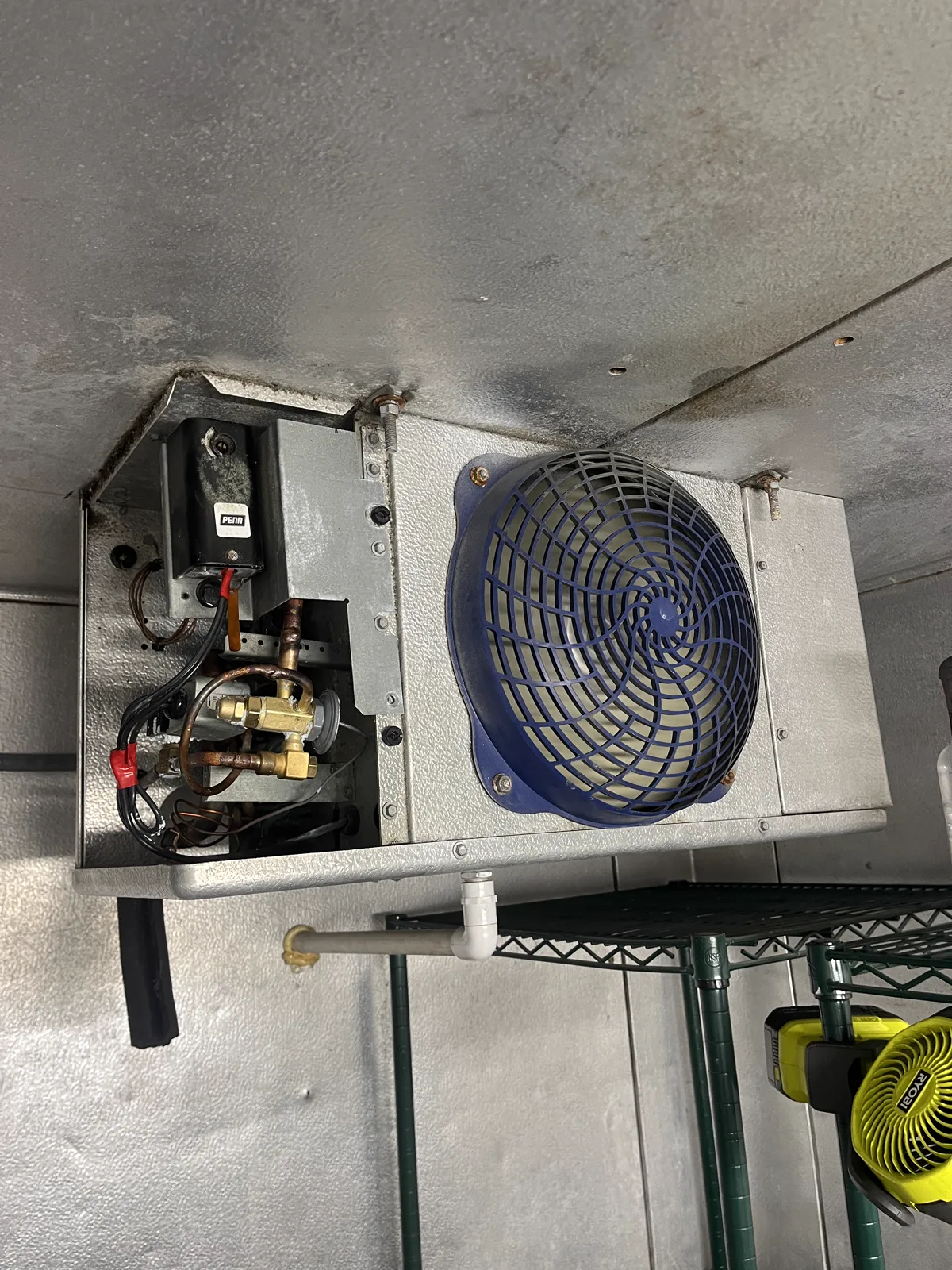
Commercial Refrigeration
TXV valve replacement and a refrigerant-system flush for contamination in a walk-in cooler.
View completed work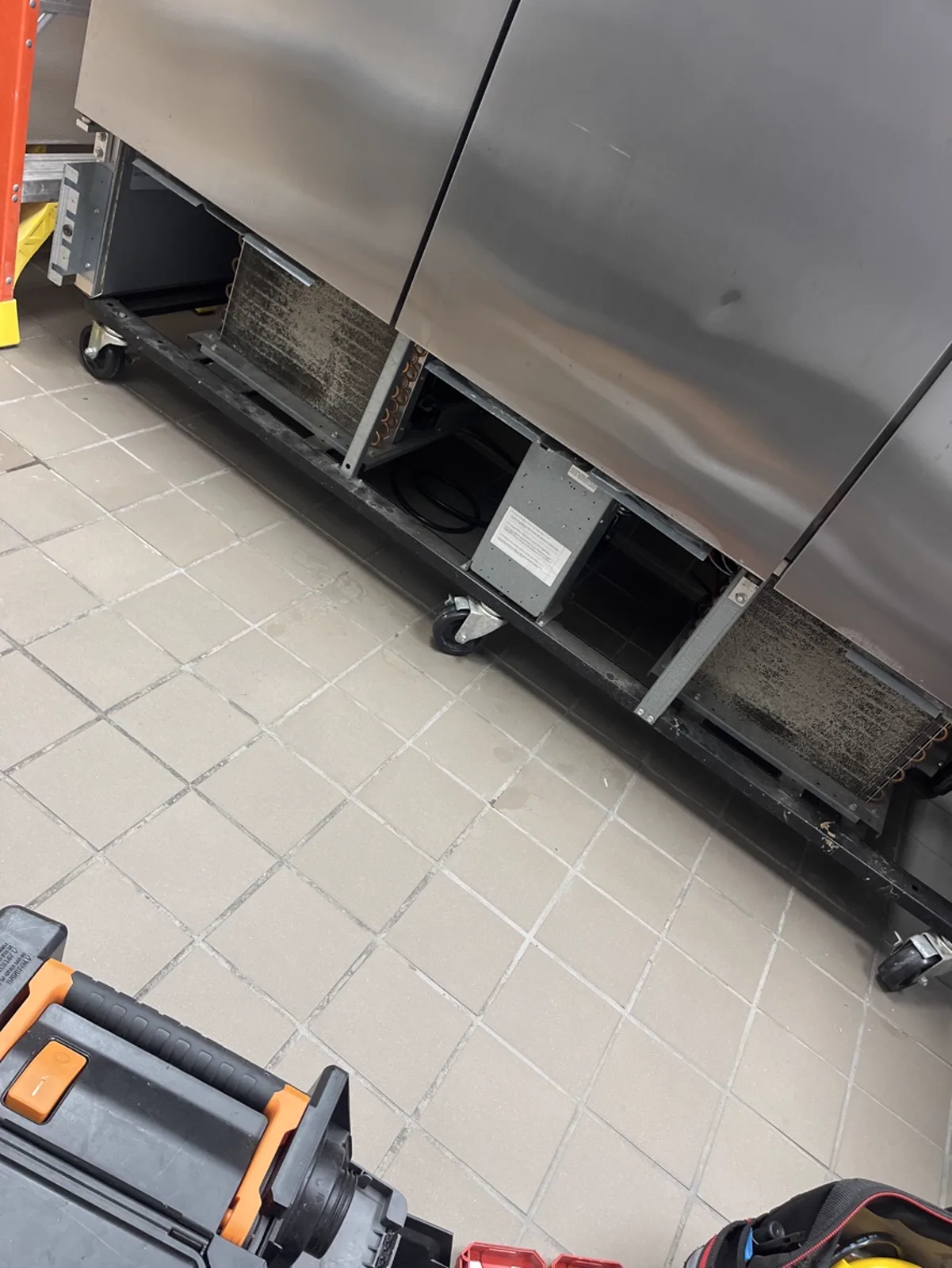 Commercial Refrigeration
Before-and-after chemical deep cleaning of a commercial True refrigerator condenser.
View completed work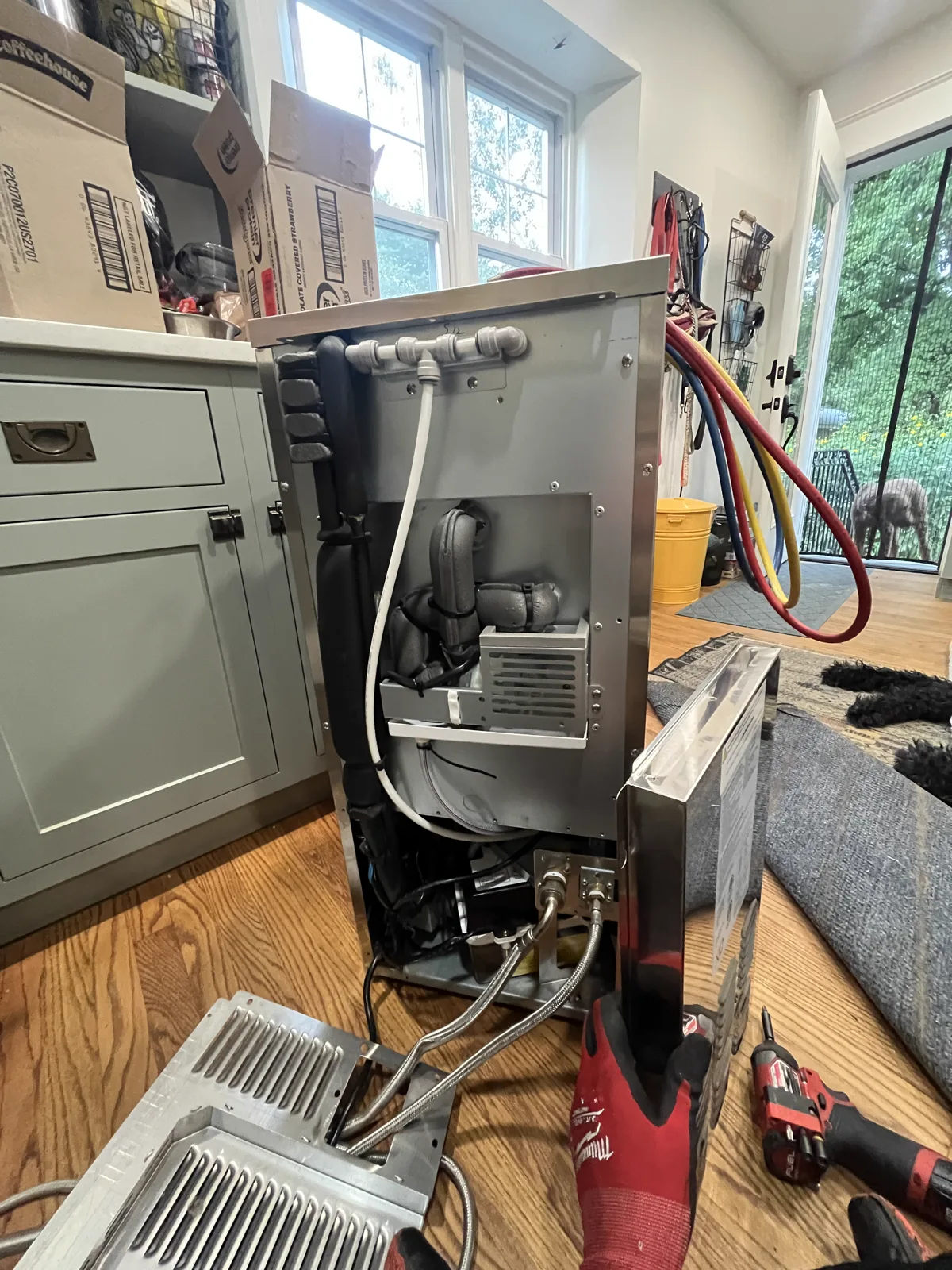 Commercial Refrigeration
Water pump replacement and water-line cleaning inside a commercial ice maker.
View completed work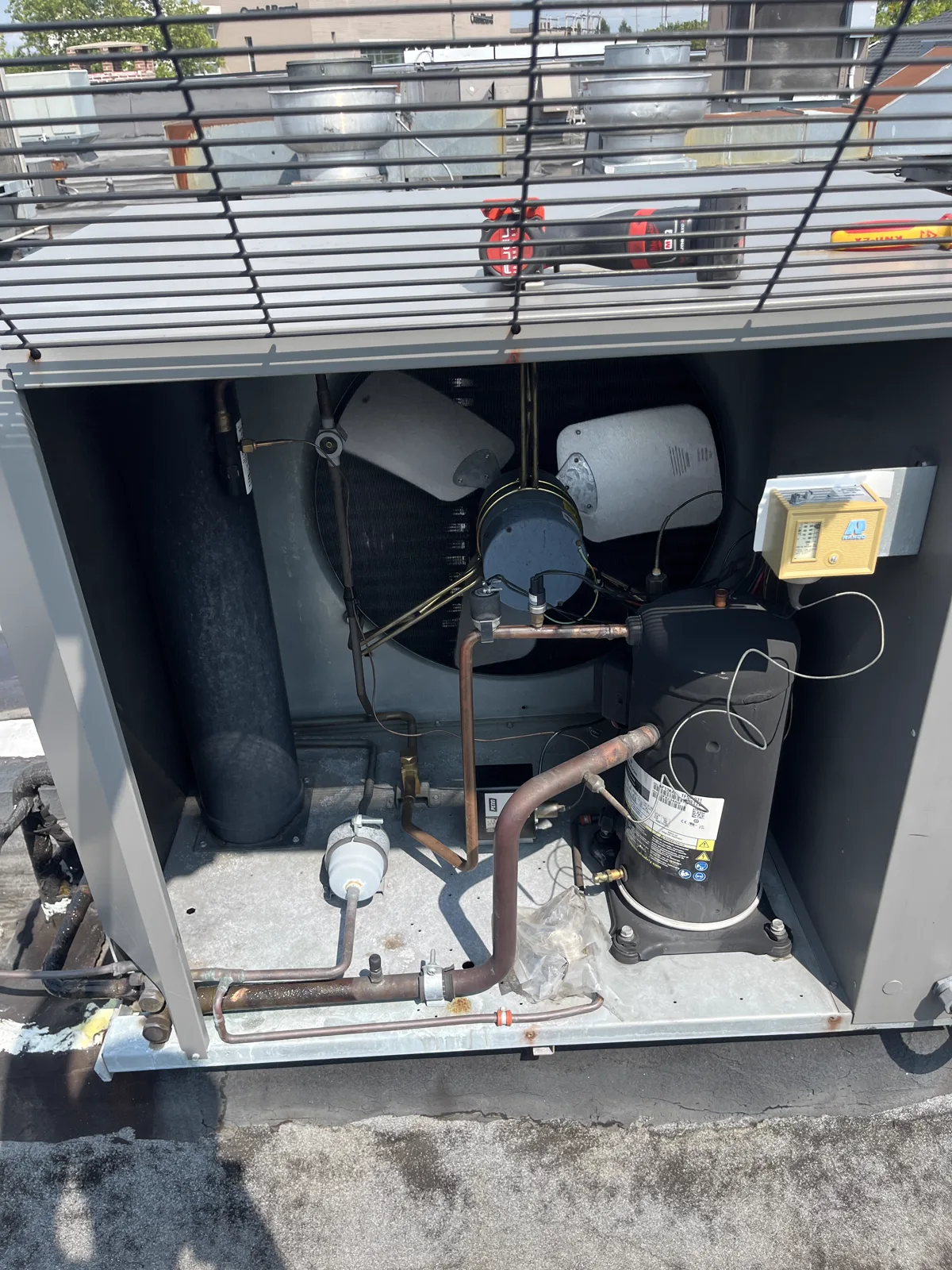 Commercial Refrigeration
Completed restaurant walk-in refrigerator repair documented with condensing equipment, controls, cabinet equipment, and a video of heavy frost conditions.
View completed workA refrigerated preparation table combines ready-access ingredients with storage below the work surface. Those areas may show different symptoms even though they belong to one appliance. Premier provides prep table repair for commercial kitchens in Bucks County and Montgomery County. Tell us whether the upper pans, the lower cabinet, or both are affected, and whether the problem appears only during service or continues after the station is closed.
This distinction helps prevent a rail complaint from being treated as a simple storage-cabinet problem. The layout, lid arrangement, pan configuration, airflow, and refrigeration design all matter. Our refrigerated prep table repair service starts with the equipment as installed and used, including the relationship between the work surface and the refrigerated sections.
A sandwich station often depends on quick access to multiple pans during a concentrated service period. On these units, missing pans, an altered pan arrangement, or a lid that cannot close can change operating conditions. For sandwich prep table repair, describe the original configuration and any changes to the station. Use the manufacturer’s intended pan and lid setup rather than improvising covers or packing gaps with unrelated materials.
Pizza preparation tables typically support a different work surface and ingredient layout. A rail issue can interrupt topping assembly while dough and other supplies remain in the cabinet below. Pizza prep table repair considers that arrangement. Salad stations can have their own pan access and service patterns as well, so a model number is more informative than assuming all prep tables share the same design.
A table that appears acceptable before opening but struggles during the rush may be affected by loading, repeated access, surrounding heat, or a component that cannot maintain performance under demand. Record when the change begins and which area is affected. The useful question is how the equipment behaves during its intended job, not only whether it feels cold immediately after sitting unused overnight.
Explain whether the unit was recently moved, the menu changed, or another appliance was placed beside it. These details can reveal a new operating condition without blaming staff or assuming the equipment is undersized. Keep established product-handling procedures in place while the refrigeration issue is investigated. A table’s display setting alone should not be used to decide whether ingredients remain suitable for service.
Preparation stations often accumulate supplies around the base, leaving little access to the condensing section. A blocked air path or restricted service opening can complicate cooling and maintenance. Note where the unit draws and releases air according to its installation information, and keep the specified space available. Do not remove protective panels or reach near moving components to investigate a sound or blockage.
The worktop may also support boards, ingredient containers, or adjacent equipment that has to be coordinated before service. Tell us whether the table is built into a counter or can only be reached from one side. Identify any attached utilities or accessories. Staff should not attempt to move a connected commercial table simply to make it easier to see behind the unit.
Water inside the lower cabinet can be related to drainage, condensation, or another source; water around the base might also originate elsewhere on the line. Describe when it appears and where it is first visible. If ice develops, note whether it is around a refrigerated surface, near an air opening, or at a drain. These locations are useful evidence, whereas repeatedly clearing the symptom may hide the pattern.
Worn lower-door seals and alignment problems can add to the refrigeration load while making the station awkward to use. A damaged rail lid can create a different problem at the top. Include these visible conditions with the cooling complaint. The assessment should distinguish a refrigeration repair from separate hardware or cabinet issues so you understand what the proposed work will and will not address.
A repair may be sensible when the cabinet and work surface remain sound and the fault is clearly defined. A table with serious structural deterioration, recurring unrelated failures, or a layout that no longer fits the menu needs a broader comparison. Ask about the condition of both the pan area and lower storage before making a decision based only on the latest failed component.
Replacement planning should include usable preparation space, pan configuration, lower-cabinet access, ventilation, utilities, and the route through the kitchen. A wider table may reduce working aisle space, and a different door layout may interfere with staff movement. For a salad-focused line, our salad prep table repair page helps identify that equipment category before the repair or replacement discussion.
List the brand, model if available, station location, and whether the complaint concerns the rail, base, or both. Note any error message and the last time the table operated normally during a full shift. Include recent cleaning, movement, or service work as facts rather than assumed causes. For multiple tables, use clear location names such as sandwich line and pizza station so each problem stays attached to the right asset.
Our restaurant equipment maintenance page provides a starting point for planned care across a working kitchen. Keep prep-table observations with the rest of the station’s service history, including lid, door, and drainage problems. For Bucks and Montgomery County businesses, clear access arrangements and an informed on-site contact make the repair discussion more practical and keep the focus on restoring the station’s intended function.
Ready to request service?
Online service request
Share the equipment, location, and preferred appointment window. We will contact you to confirm availability.