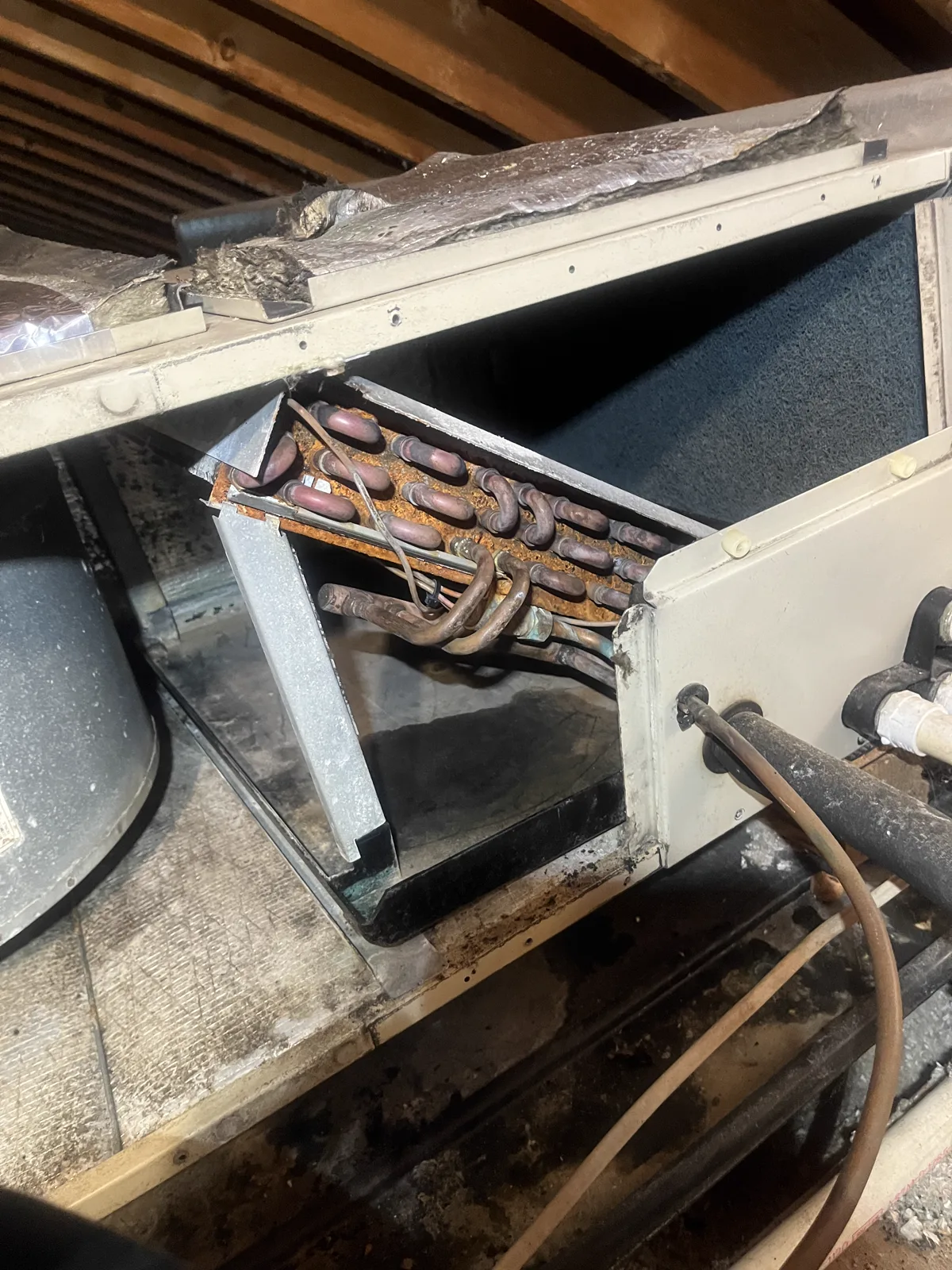
 HVAC
Evaporator Capillary Tube Repair
Completed HVAC evaporator-coil work focused on a leaking capillary tube, with close documentation of the coil and refrigerant tubing.
View completed workHome heating, cooling, and airflow
Ductless mini-split services for single-zone and multi-zone repair, installation, maintenance, and ceiling-cassette equipment.
Service directory
Select the equipment and the work you need: repair an existing fault, plan installation or replacement, or arrange maintenance.
Mini-split repair in Bucks and Montgomery County for ductless units with water leaks, error codes, weak airflow, or heating and cooling problems.
Open service page → 02Mini-split installation for ductless heating and cooling, including indoor-unit placement, piping routes, drainage, electrical work, and controls.
Open service page → 03Mini-split maintenance for indoor heads, filters, coils, drains, fans, controls, and outdoor equipment.
Open service page → 04Single-zone mini-split installation for one room or defined space, planned around load, airflow, drainage, and outdoor access.
Open service page → 05Multi-zone mini-split installation with room-by-room planning, matched indoor units, refrigerant routing, drainage, and coordinated controls.
Open service page → 06Ceiling cassette repair for ductless equipment with indoor leaks, weak airflow, error codes, or heating and cooling faults.
Open service page →Better service intake
01IdentifyBrand, full model, serial, equipment type, and installation.
02ObserveTemperatures, errors, sounds, leaks, frost, timing, and recent changes.
03LocateProperty type, ZIP, equipment location, access, and operating constraints.
One room served by one outdoor unit has different planning needs from several indoor units sharing a system. Identify that arrangement and whether you need an active fault investigated or a new installation designed.
Indoor styles also change access: wall heads, cassettes, and concealed units should be identified in the request. This makes the next conversation about actual rooms, drainage, controls, and equipment rather than a generic ductless-system estimate.
Recent completed work
See recent repairs documented by our technicians with actual photos of the equipment and completed scope.
HVAC
Completed HVAC evaporator-coil work focused on a leaking capillary tube, with close documentation of the coil and refrigerant tubing.
View completed work HVAC
Completed HVAC furnace repair with PCB and igniter replacement, documented at the open furnace and lower control compartment.
View completed work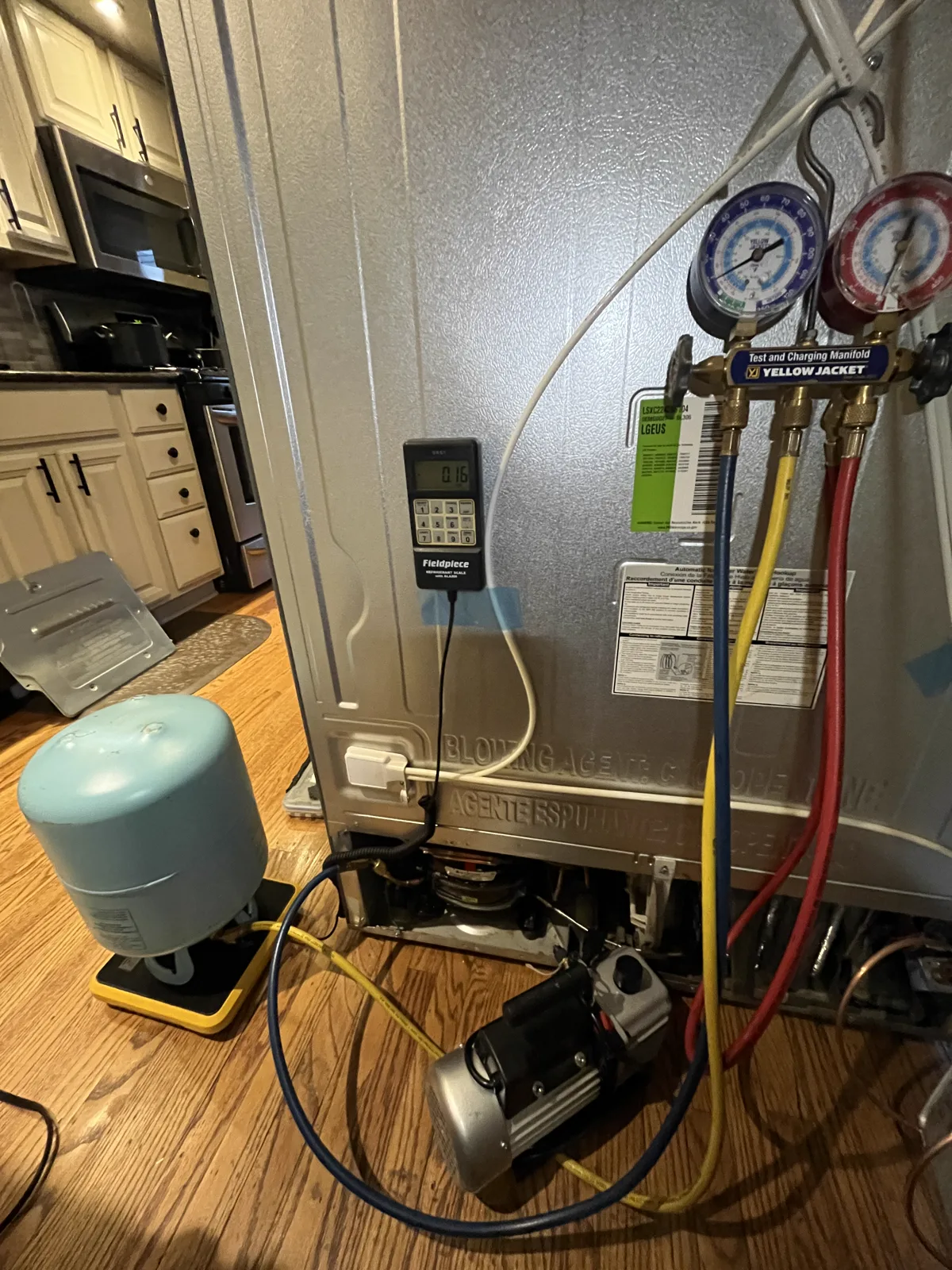 Residential Refrigeration
Filter drier replacement and system flushing on an LG refrigerator sealed circuit.
View completed work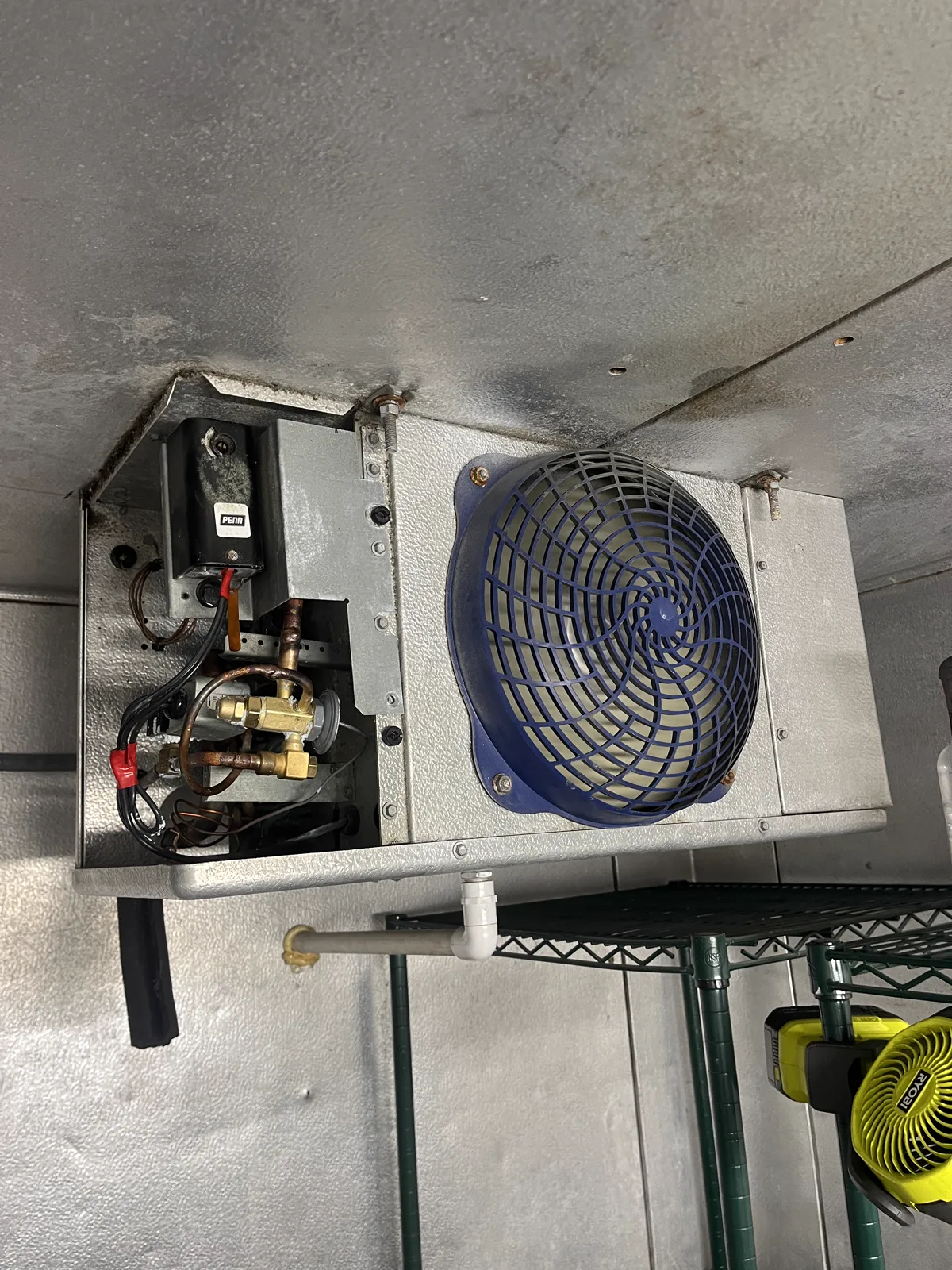 Commercial Refrigeration
TXV valve replacement and a refrigerant-system flush for contamination in a walk-in cooler.
View completed workA finished attic, an addition, and a bedroom with inconsistent comfort may all benefit from a closer look at room-based heating and cooling, but they present different installation questions. Ductless equipment is one option for serving a defined space without extending a conventional duct system. The room layout, intended use, equipment location, and relationship to the rest of the home still need to be evaluated.
Premier Refrigeration & HVAC provides ductless mini-split service in Bucks and Montgomery County. Start by explaining which spaces you want to condition and what is uncomfortable now. If a room already has central heating or cooling, describe how that system performs there. A useful recommendation addresses the room itself, rather than assuming that adding another indoor unit automatically resolves every comfort complaint.
With several indoor units, a problem may be limited to one room or involve the connected system. Tell us which indoor units respond, which display an error, and whether the symptoms appeared at the same time. A room that receives airflow but does not reach its setting is a different observation from an indoor unit that never starts.
For mini-split repair, the relationship between indoor equipment, outdoor equipment, and controls is part of the investigation. Record each affected room and any visible display messages before changing settings. If you have more than one outdoor unit, identify which indoor areas belong together if you already know; the technician can establish the configuration when that information is unavailable.
A remote or wall controller can make a ductless unit appear to be running while the selected settings do not match the comfort expected. When describing the issue, include the operating mode, temperature setting, fan behavior, and whether a timer or schedule is in use. Avoid drawing conclusions from the fan sound alone, because airflow and useful heating or cooling are separate observations.
The location where temperature is measured can also differ from the place where someone feels uncomfortable. Explain whether the concern is near the unit, across a large open room, or beyond a doorway. Keep the conversation specific to the occupied space. A closed bedroom and an adjacent hallway should not be assumed to receive the same conditioning simply because they are near one indoor unit.
An indoor unit that leaks water needs a different investigation from one that makes a new mechanical sound or produces an unusual odor. Note when the symptom occurs: immediately after starting, after a long cooling period, or only during certain settings. If water is reaching walls, furniture, or electrical items, stop using the affected unit and report the situation when arranging service.
Do not remove the indoor casing or attempt to clear concealed drainage connections. Photographs of visible water and the location of the unit can document the concern without dismantling it. Ceiling-mounted equipment also has access requirements that differ from a wall unit; mention that arrangement when requesting ceiling cassette repair.
For a single room, single-zone mini-split installation focuses on that space and a suitable indoor-outdoor arrangement. A project covering several rooms needs a broader plan. Indoor placement, the route between units, condensate drainage, electrical work, outdoor location, and future service access all influence how the installation will work in the home.
With multi-zone mini-split installation, identify rooms used at different times and areas with doors normally closed. Discuss how the proposed arrangement will serve those spaces and what operating limitations apply to the selected equipment. An estimate is easier to understand when it states which rooms are included and how many indoor units will be installed, rather than listing equipment without a zone plan.
Ductless equipment still needs maintenance even though it does not use a traditional whole-house supply duct network. Accessible filter care should follow the manufacturer’s instructions for the exact unit. Other inspection and cleaning work may require equipment access and procedures that belong with a technician. The indoor and outdoor portions both need to be considered when planning service.
Arrange mini-split maintenance with a list of the indoor units and any difficult access locations. Mention existing leaks, error codes, or poor heating and cooling before the visit; these may require repair diagnosis in addition to maintenance. If several rooms are served, confirm the scope covers the intended units so an overlooked room does not remain outside the planned work.
A replacement discussion should identify whether the fault concerns an indoor unit, outdoor equipment, controls, or another part of the installation. Components are not automatically interchangeable because their capacity labels look similar. Compatibility, equipment condition, repair history, and the extent of the problem all belong in the comparison between repairing an existing system and replacing some or all of it.
When you request ductless service, include the number of indoor units, affected rooms, visible model details, and your Bucks or Montgomery County town. For a new installation, explain the current heating and cooling arrangement and the purpose of each proposed zone. These details make it possible to discuss a defined project rather than an unspecified unit purchase.
Ready to request service?
Online service request
Share the equipment, location, and preferred appointment window. We will contact you to confirm availability.