 HVAC
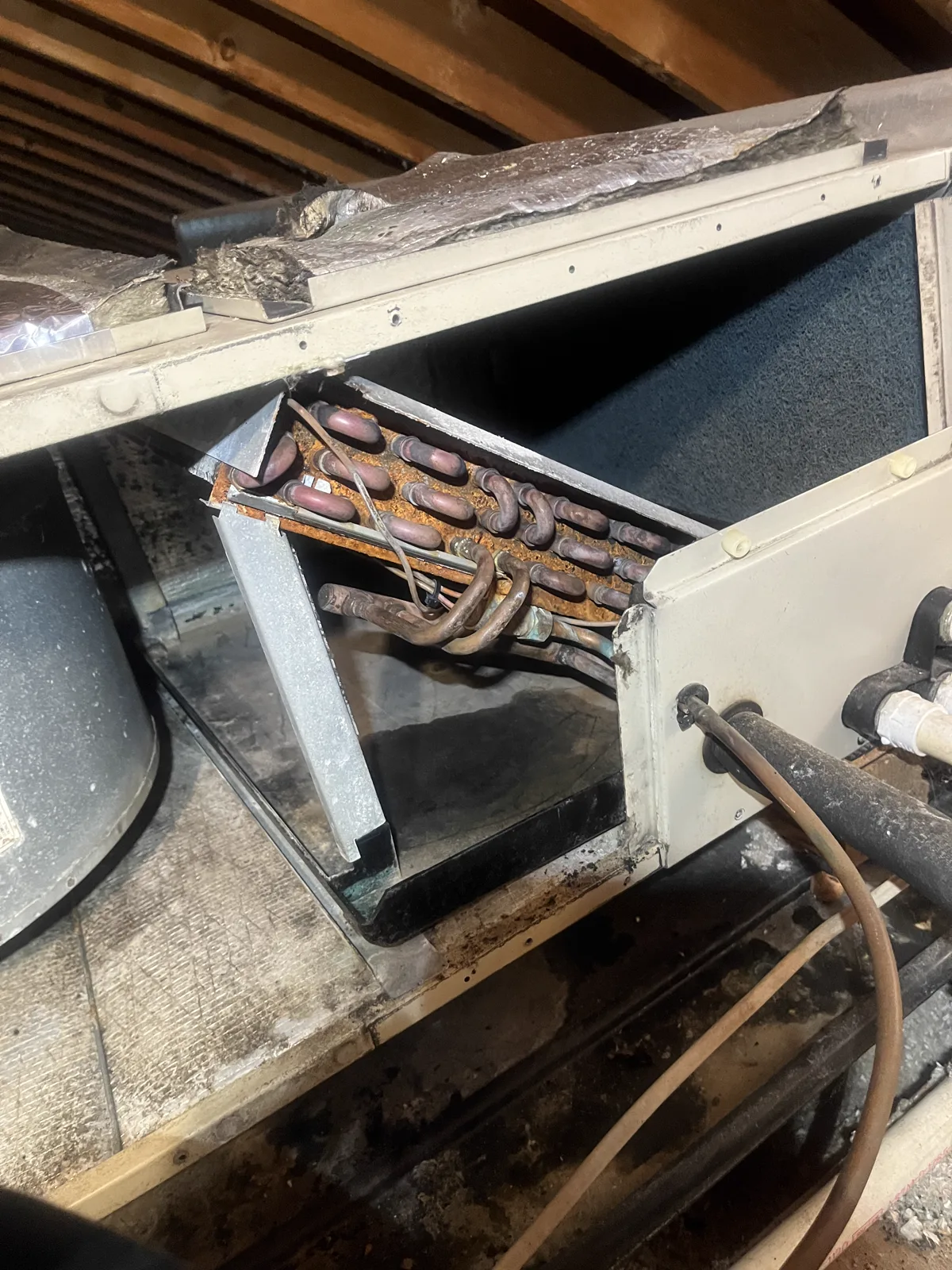
Evaporator Capillary Tube Repair
Completed HVAC evaporator-coil work focused on a leaking capillary tube, with close documentation of the coil and refrigerant tubing.
View completed workHeating, cooling & ventilation
Heating and air conditioning service for Bucks and Montgomery County homes and businesses. Get help with AC, furnaces, heat pumps, boilers, and ductless systems.
Selected brands
Service categories
Choose your equipment below to see the problems we investigate and what to prepare for a service visit.
Heating, cooling, ventilation, ductwork, indoor air quality, thermostats, and zoning.
Explore service → 02Repair, installation, replacement, and maintenance for residential cooling.
Explore service → 03Furnaces, boilers, heat pumps, and home heating diagnostics.
Explore service → 04Single-zone, multi-zone, wall, cassette, and concealed systems.
Explore service → 05Filtration, humidity, purification, and ventilation options.
Explore service → 06Rooftop, packaged, VRF, air-handling, ventilation, and control systems.
Explore service →Useful before service
01Equipment identificationBrand, model, serial, configuration, and installation type.
02Observed symptomsTemperature, timing, sound, leaks, alarms, frost, and recent changes.
03Property accessService ZIP, parking, roof or mechanical-room access, and operating hours.
Rooms that will not cool, heat that stops before the thermostat is satisfied, and airflow that varies between floors can have different causes. Tell us whether the problem affects the whole property or one room, whether the equipment starts, and what the thermostat shows.
Use the furnace or boiler service page for a heating-only problem, the air conditioning page for central cooling, and the heat pump page if the same outdoor system heats and cools. For a wall-mounted indoor unit or several small zones, choose mini-split service.
For a home, note the location of the indoor unit, outdoor equipment, and thermostat. For a business, include occupied hours, affected tenant areas, roof access, and any building control system. These details help us plan the visit without guessing from the equipment brand.
An older system does not automatically need replacement. Diagnosis should establish the fault first, then compare the proposed repair with equipment condition, parts support, and any recurring comfort problems. If installation or replacement is needed, its scope should be discussed separately from the initial repair request.
Recent completed work
See recent repairs documented by our technicians with actual photos of the equipment and completed scope.
HVAC
Completed HVAC evaporator-coil work focused on a leaking capillary tube, with close documentation of the coil and refrigerant tubing.
View completed work HVAC
Completed HVAC furnace repair with PCB and igniter replacement, documented at the open furnace and lower control compartment.
View completed work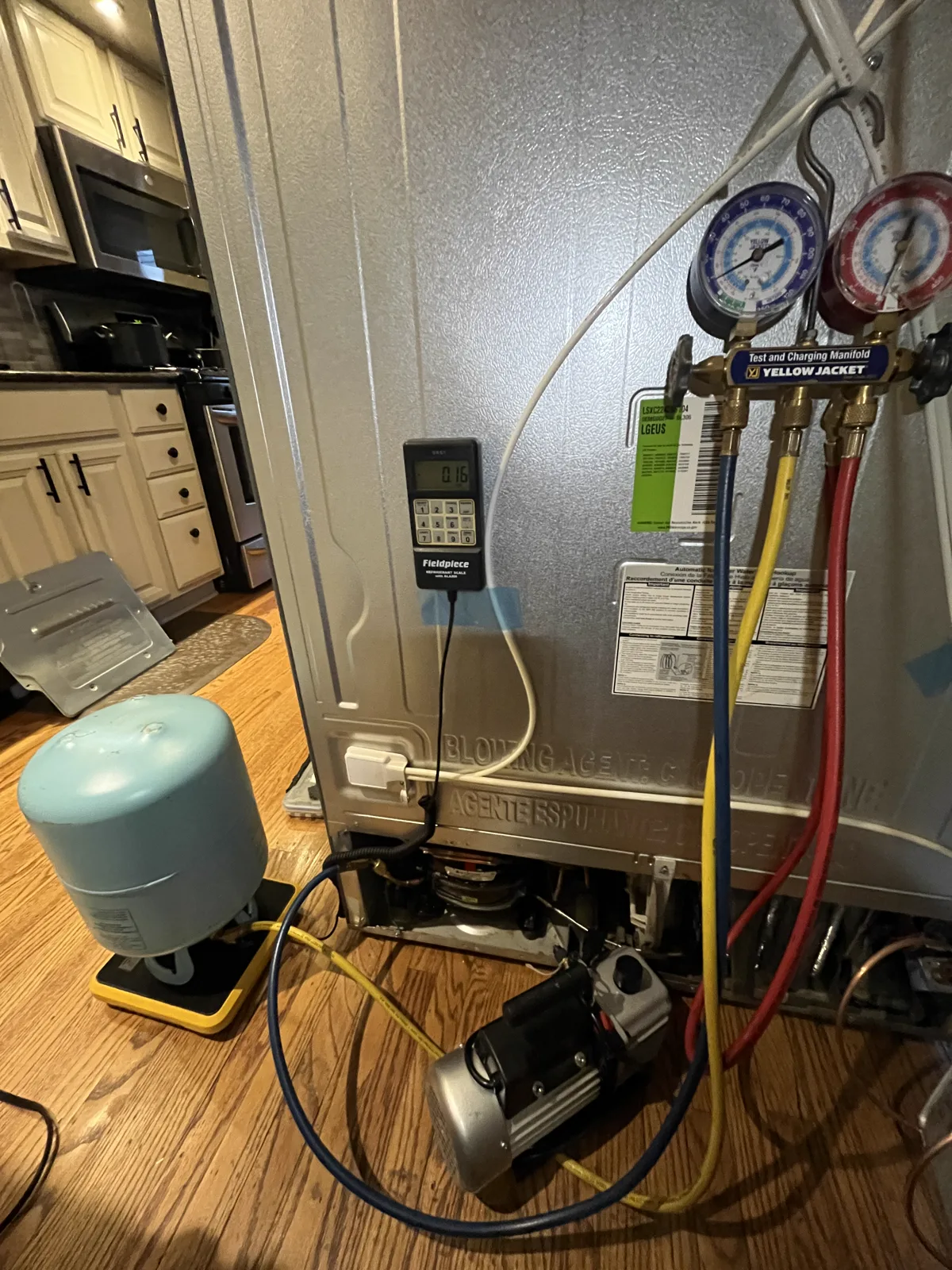 Residential Refrigeration
Filter drier replacement and system flushing on an LG refrigerator sealed circuit.
View completed work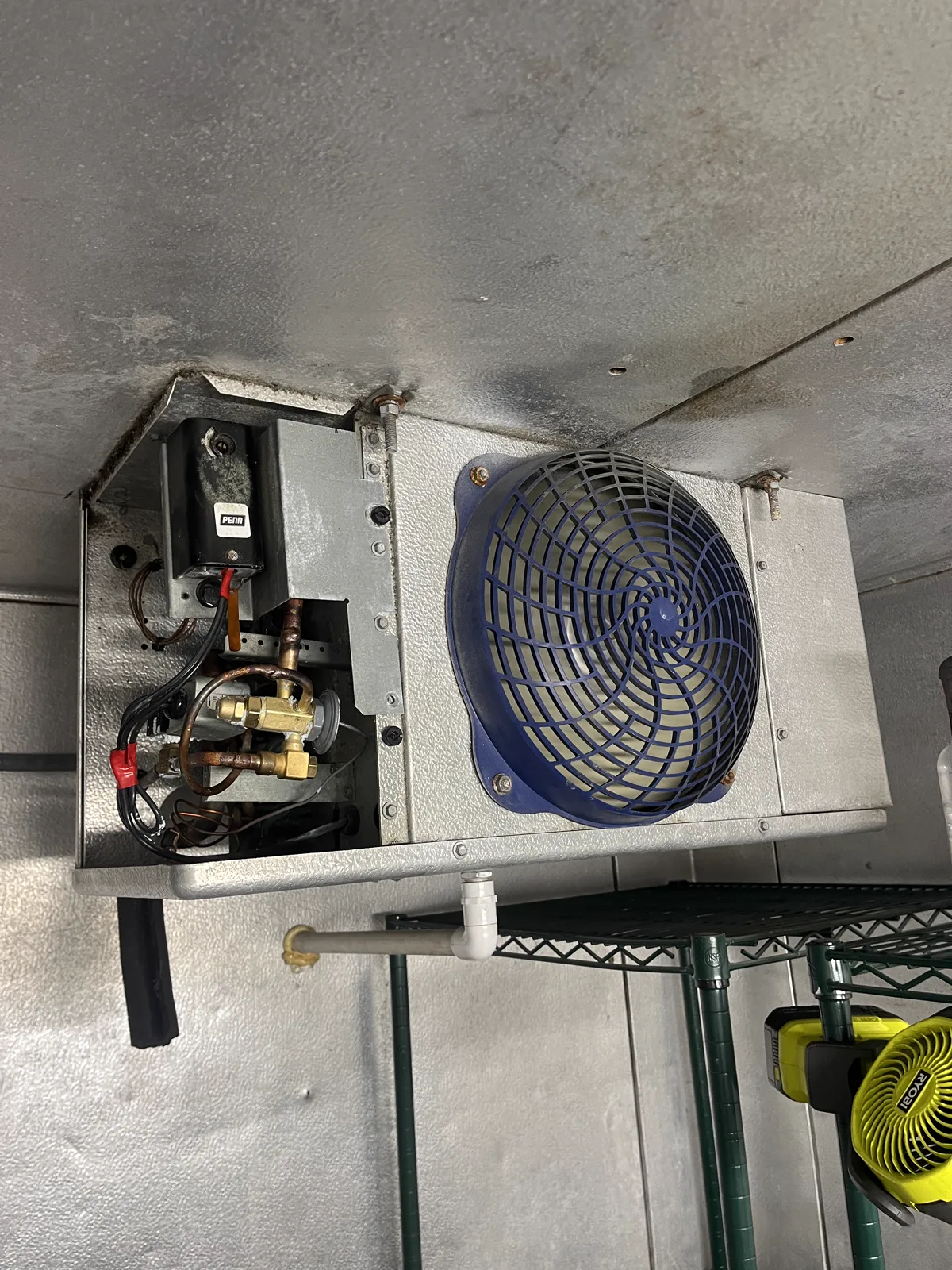 Commercial Refrigeration
TXV valve replacement and a refrigerant-system flush for contamination in a walk-in cooler.
View completed workQuestions & answers
Describe the indoor and outdoor equipment and enter any model numbers you can read without opening covers. Tell us whether the system provides heating, cooling, or both. The service team can use that information to review your request.
The form records your preferred date and time. The team must review the location, equipment, and availability before confirming an appointment. Call if timing is critical so you can discuss the current schedule.
A home that stays warm after the air conditioner starts, an office with one cold room, and a restaurant with drafts or poorly tempered incoming air need different investigations. The useful starting point is the change you notice: where it happens, when it began, and which equipment still operates. Premier provides heating, cooling, and ventilation service for homes and businesses in Bucks and Montgomery County, Pennsylvania, with the work matched to the actual installation.
HVAC repair should connect a room-level complaint to equipment behavior. A thermostat setting describes what you want the system to do; it does not confirm what the system delivers. Air movement, controls, heating or cooling operation, and the building conditions around them can all affect the result. A service visit brings those observations together before selecting a repair.
For a home, residential HVAC service covers central air conditioning, heating equipment, heat pumps, ductless systems, and the components that distribute and control comfort. Explain whether the entire home is affected or only a floor, room, or zone. That helps distinguish a complete equipment shutdown from a local delivery problem.
A business often needs additional coordination: tenant schedules, roof access, building controls, approval procedures, and the consequences of downtime. Use commercial HVAC service when the equipment serves a workplace, restaurant, managed property, or other facility. Include the person who can provide access and the person who can authorize work if they are different.
Weak airflow does not automatically mean a failed blower, and a unit that stops repeatedly does not automatically need a new control board. Several faults can produce a similar symptom. The assessment should establish what the equipment is being asked to do, where its response changes, and which measured or observed condition supports the diagnosis.
Share earlier repair notes if the problem has returned. They can clarify whether the current complaint is the same one or a different issue that happens to look similar. Ask which part of the proposed work restores the failed function and whether any separate airflow, drainage, or control concern remains. That makes the decision easier to understand than a list of parts without an explanation.
New equipment needs to suit the space, connections, distribution, and controls around it. Replacing a system without discussing persistent comfort problems can carry those problems into the new installation. Explain rooms that never feel comfortable, planned changes in building use, and any limitations on indoor or outdoor equipment locations before comparing options.
For a cooling project, air conditioning installation provides a focused starting point. A business considering wider changes can begin with commercial HVAC installation. The proposed scope should make equipment, connection work, controls, access, and testing responsibilities clear so different proposals can be compared on the same basis.
Planned maintenance gives the service team an opportunity to inspect and care for equipment before an obvious failure drives the appointment. It can also create a useful history of condition, recurring observations, and work recommended for a later visit. The tasks should reflect the equipment actually installed; a boiler, a ductless head, and a rooftop unit do not share an identical maintenance procedure.
If the system already has a fault, describe it when arranging maintenance rather than assume the scheduled work will automatically include a repair. Maintenance planning can separate routine attention from troubleshooting and proposed component work. Neither cleaning nor a seasonal visit guarantees that every future failure will be prevented, so the findings and next steps should be documented clearly.
A system may produce heating or cooling while the building still feels wrong. A local sensor, operating schedule, zone command, or air-distribution condition can affect what reaches a room. Tell us whether discomfort follows time of day, doors being closed, a change in occupancy, or a recent control adjustment. These are observations to investigate, not proof that the system is undersized.
Avoid changing several settings immediately before the visit if you can preserve the original behavior safely. Existing temperature records, error messages, and the time of an interruption can help when a fault is intermittent. You do not need to remove covers, climb onto equipment, or identify the failed component to make a useful request.
Have the service address, ZIP, equipment type, and a brief account of the problem ready. Model numbers are helpful when their labels are accessible, but you can start a conversation without taking equipment apart. For several affected units, list them separately and explain any access restrictions or limited work windows.
Use the service request form to share those details and your preferred appointment. The team reviews the location, equipment, and schedule before confirming a visit. If timing is important, call (267) 817-4848 to discuss availability and the situation. The first objective is a clear assessment and an understandable next step for the equipment you depend on.
Ready to request service?
Online service request
Share the equipment, location, and preferred appointment window. We will contact you to confirm availability.