 Residential Refrigeration
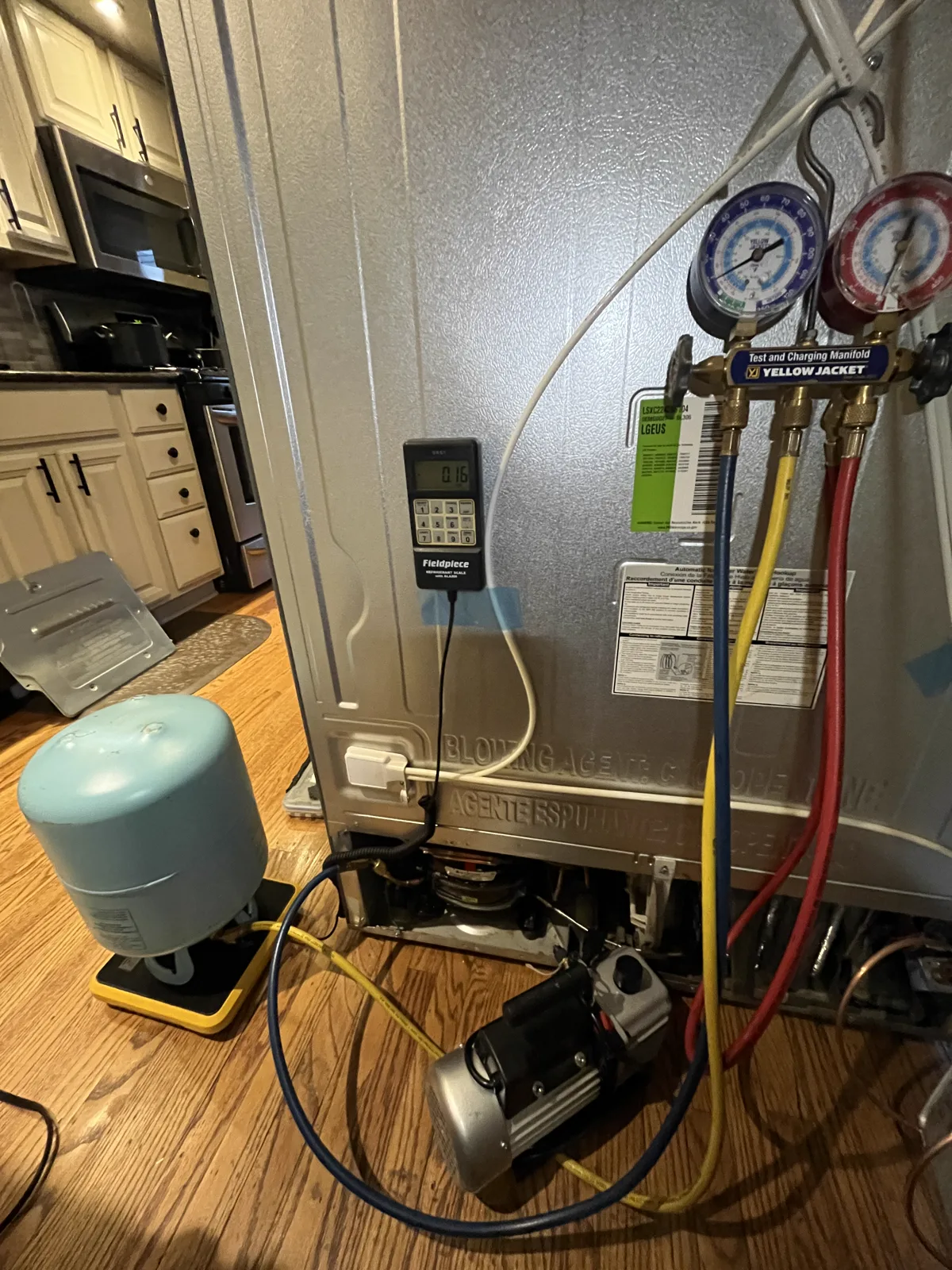
LG Filter Drier Replacement
Filter drier replacement and system flushing on an LG refrigerator sealed circuit.
View completed workPremium residential refrigeration
Explore service for premium built-in, column, upright, and drawer freezers, including frost and low-temperature operating problems.
Service directory
Select the equipment and the work you need: repair an existing fault, plan installation or replacement, or arrange maintenance.
High-end freezer repair for temperature alarms, frost, door faults, and unstable freezing in Bucks and Montgomery County homes.
Open service page → 02Built-in freezer repair for frost, rising temperatures, door-seal problems, and cooling faults inside fitted cabinetry.
Open service page → 03Column freezer repair for independent freezer towers, paired refrigerator installations, and low-temperature control problems.
Open service page → 04Upright freezer repair for excess frost, weak cooling, fan noise, drain issues, and doors that no longer seal.
Open service page → 05Freezer drawer repair for drawers that bind, seals that leak, temperature drift, frost, and compact freezer controls.
Open service page →Better service intake
01IdentifyBrand, full model, serial, equipment type, and installation.
02ObserveTemperatures, errors, sounds, leaks, frost, timing, and recent changes.
03LocateProperty type, ZIP, equipment location, access, and operating constraints.
A drawer freezer has moving hardware and sealing surfaces different from an upright cabinet. A column installation adds panel and enclosure considerations. Choose the matching equipment page so the visit can be prepared around those differences.
Include alarms, the location of ice, and whether the door stays closed. A freezer's age alone cannot identify the fault or determine whether repair is worthwhile.
Recent completed work
See recent repairs documented by our technicians with actual photos of the equipment and completed scope.
Residential Refrigeration
Filter drier replacement and system flushing on an LG refrigerator sealed circuit.
View completed work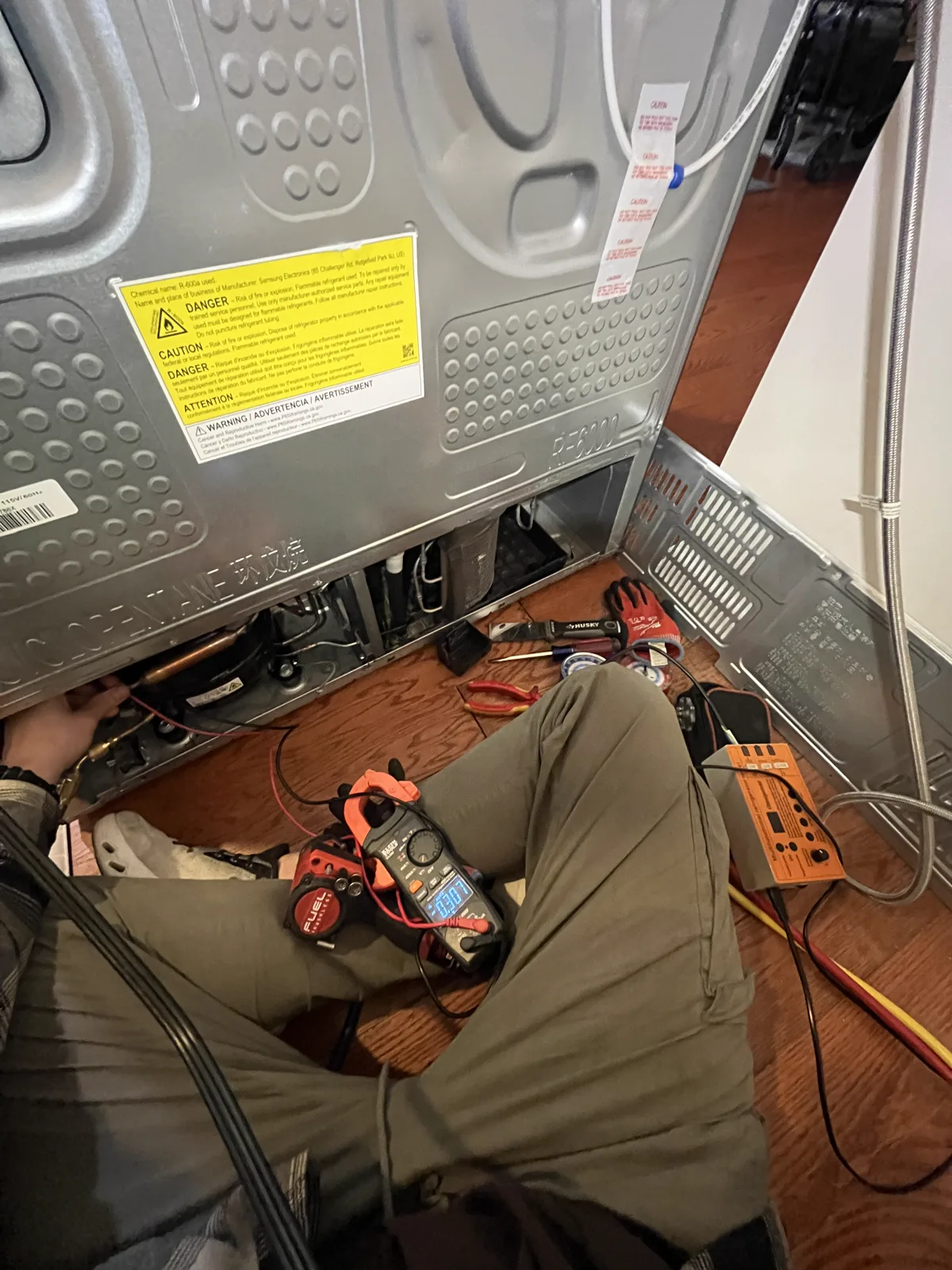 Residential Refrigeration
Completed LG refrigerator compressor replacement documented at the sealed-system service compartment, with warranty eligibility clarified per claim.
View completed work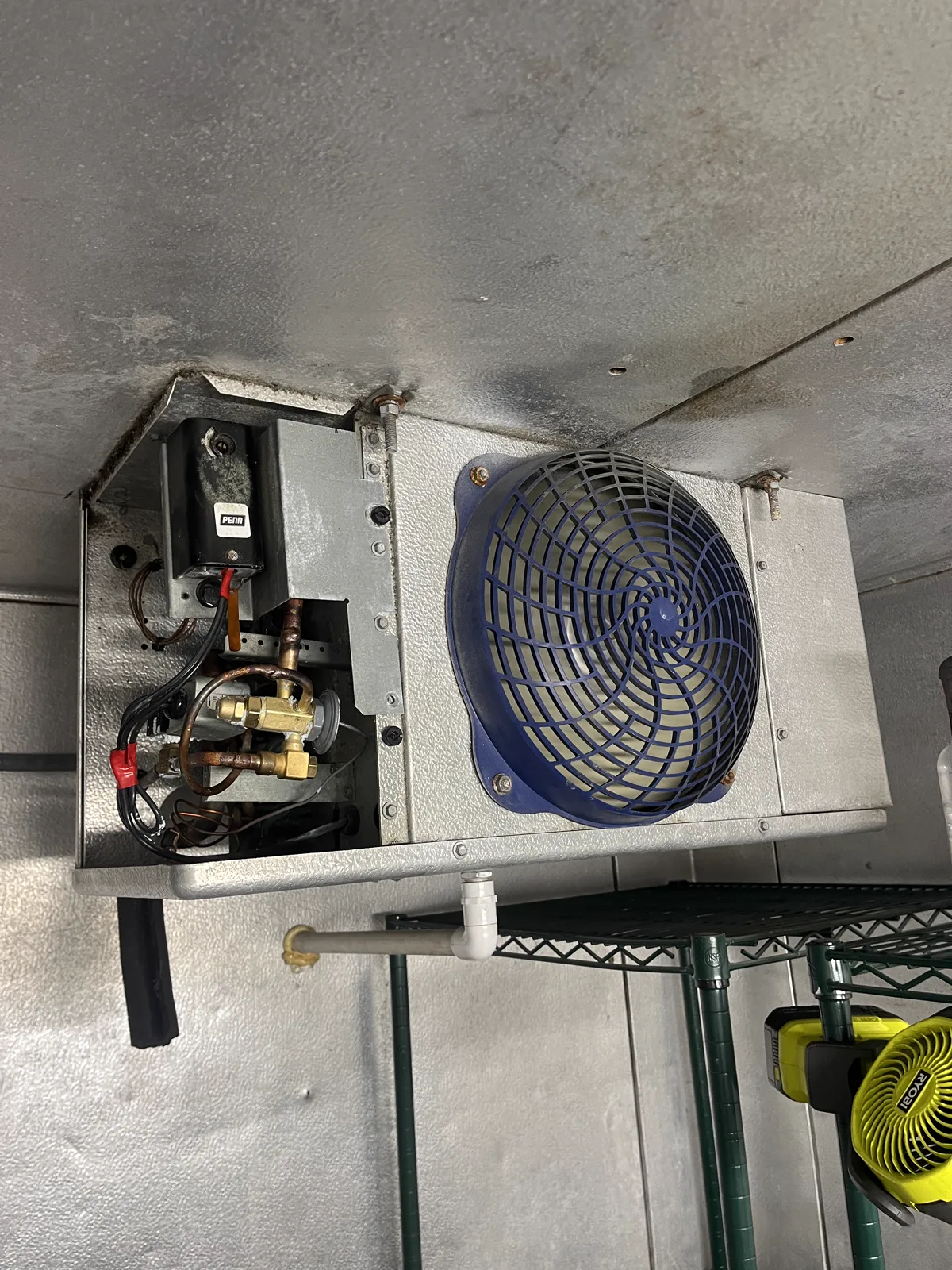 Commercial Refrigeration
TXV valve replacement and a refrigerant-system flush for contamination in a walk-in cooler.
View completed work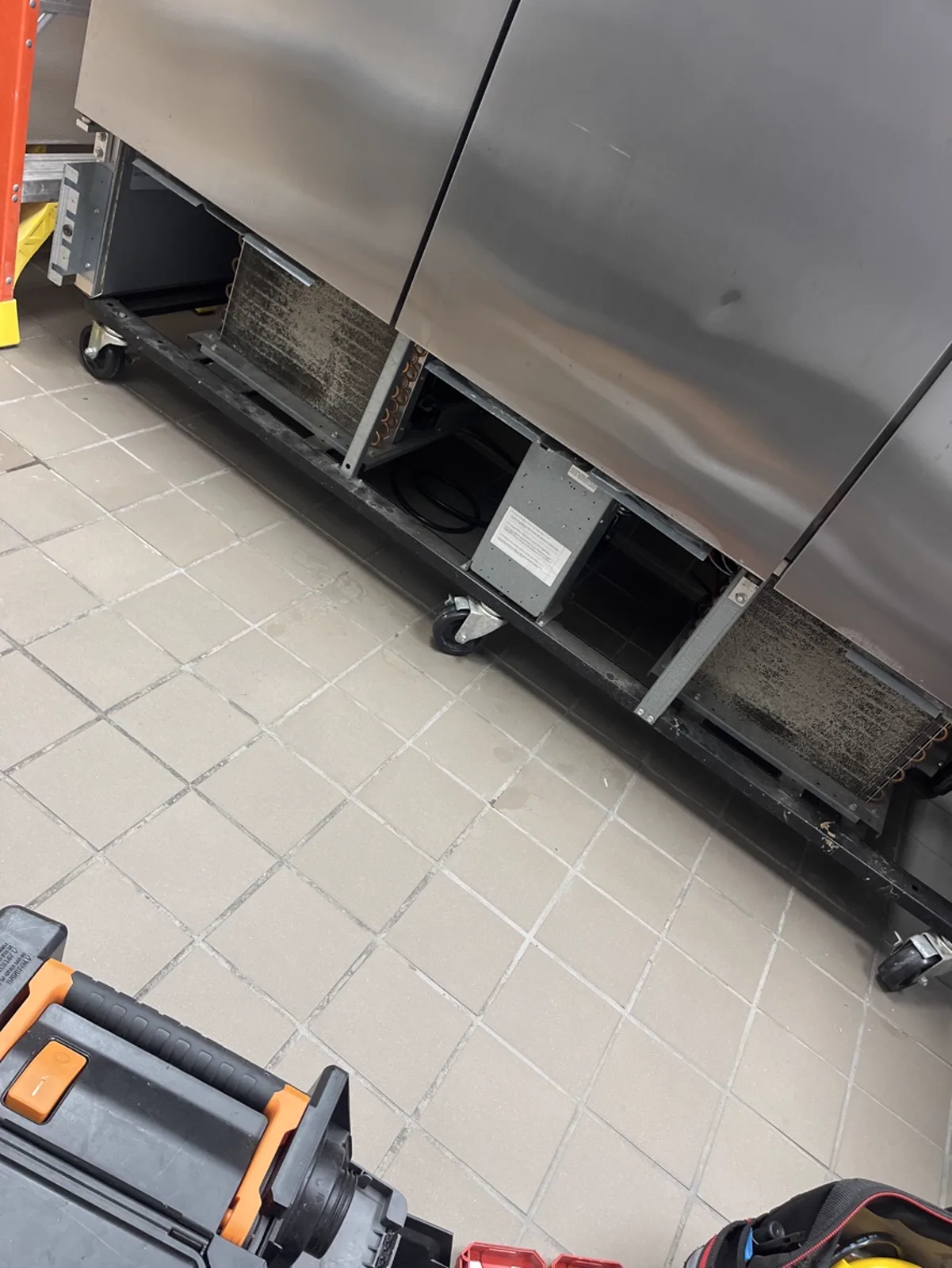 Commercial Refrigeration
Before-and-after chemical deep cleaning of a commercial True refrigerator condenser.
View completed workA freezer that stops holding its usual conditions can disrupt a carefully stocked household. Describe whether the change affects the whole cabinet, one drawer, or one area behind a door. Premier services residential freezers in Bucks and Montgomery County, including separate columns, fitted cabinets, upright units, and drawers. The layout helps define both the complaint and the access required to investigate it.
Explain what changed before naming a suspected part. You may notice an alarm, unexpected frost, a warmer drawer, or unusually long operation. If you have an independent temperature reading, include where and when it was taken. Keep that observation separate from the selected control setting, which describes the requested condition rather than proving the freezer has reached it.
A light coating near a frequently opened edge and a large buildup on an internal surface should not be described as the same problem. Photograph the visible frost and identify its location. Note whether it appeared gradually or returned after earlier service. A technician can use that pattern as context when checking closure, air movement, and model-specific defrost operation.
Do not chip ice with a sharp tool or apply concentrated heat to expose hidden parts. Those actions can damage the appliance and obscure the original condition. If a drawer has become difficult to open, report it before forcing it. The goal of built-in freezer repair is to address the cause of the obstruction as well as the visible accumulation.
For freezer drawer repair, tell us whether the drawer sits evenly, catches during travel, or leaves one corner proud of the surrounding cabinet. Contents and internal bins can interfere with closure, but that does not rule out a mechanical concern. Describe what you can see without removing loaded drawers or adjusting unfamiliar hardware.
A drawer that appears closed from above may still have an alignment problem. Include a straight-on photograph and mention recent panel work or a change in the way the drawer feels. Repair planning should consider the slides, closure surfaces, decorative front, and installation together, according to the configuration of the specific appliance.
An independent freezer column has its own equipment identity even if it matches a neighboring refrigerator. For column freezer service, provide the label from the freezer itself. Matching handles or panels do not establish that the two appliances share a model or that a problem in one explains the behavior of the other.
If the freezer belongs to a refrigerator-freezer combination, explain how both compartments are behaving. A colder freezer and warmer refrigerator can require a different diagnostic approach from both sections warming together. The refrigerator repair overview provides additional guidance for these combined layouts. Include the complete appliance model rather than choosing a service category based only on which door you opened first.
Write down the displayed message and describe whether the freezer runs, starts and stops repeatedly, or remains quiet. Note when the alarm first appeared relative to a power interruption, a large restocking, or a door left open. These events do not prove the cause, but they help establish the operating history that a short inspection alone may not reveal.
Changing the setting repeatedly can make the pattern harder to follow. Preserve the original setting and error information when practical, and tell the technician about any resets already attempted. Electrical, refrigerant, and internal control checks belong in the service assessment. An illuminated display or audible fan does not by itself confirm that the freezing function is working as intended.
A freezer repair decision should consider the confirmed fault, general cabinet condition, and parts availability for the exact model. For a fitted unit, the repair may also avoid a larger cabinet alteration project. That benefit should be weighed against the scope of the work, rather than used as a reason to repair an appliance regardless of its condition.
When considering replacement, account for opening dimensions, the decorative front, access for removal, and the way the new freezer will be used. An upright freezer and a concealed drawer may serve different storage habits. Explain whether your priority is restoring the existing setup or changing capacity and layout, so the conversation addresses the decision you actually face.
Gather the model number, photographs of visible frost or alignment problems, and a short symptom timeline. Tell us whether the appliance is in the kitchen, pantry, garage, or another area, along with any unusual surrounding conditions. The location can affect access and the interpretation of a complaint without establishing a fault on its own. If two separate freezers are present, give each a distinct location name so the appointment refers to the correct unit.
When you book freezer service, include the address and a description of the affected storage compartment. Mention previous repairs and whether the problem returned in the same form. Clear preparation helps focus the visit on what failed, what can be repaired, and what options make sense for your home in Bucks or Montgomery County.
Ready to request service?
Online service request
Share the equipment, location, and preferred appointment window. We will contact you to confirm availability.