 HVAC
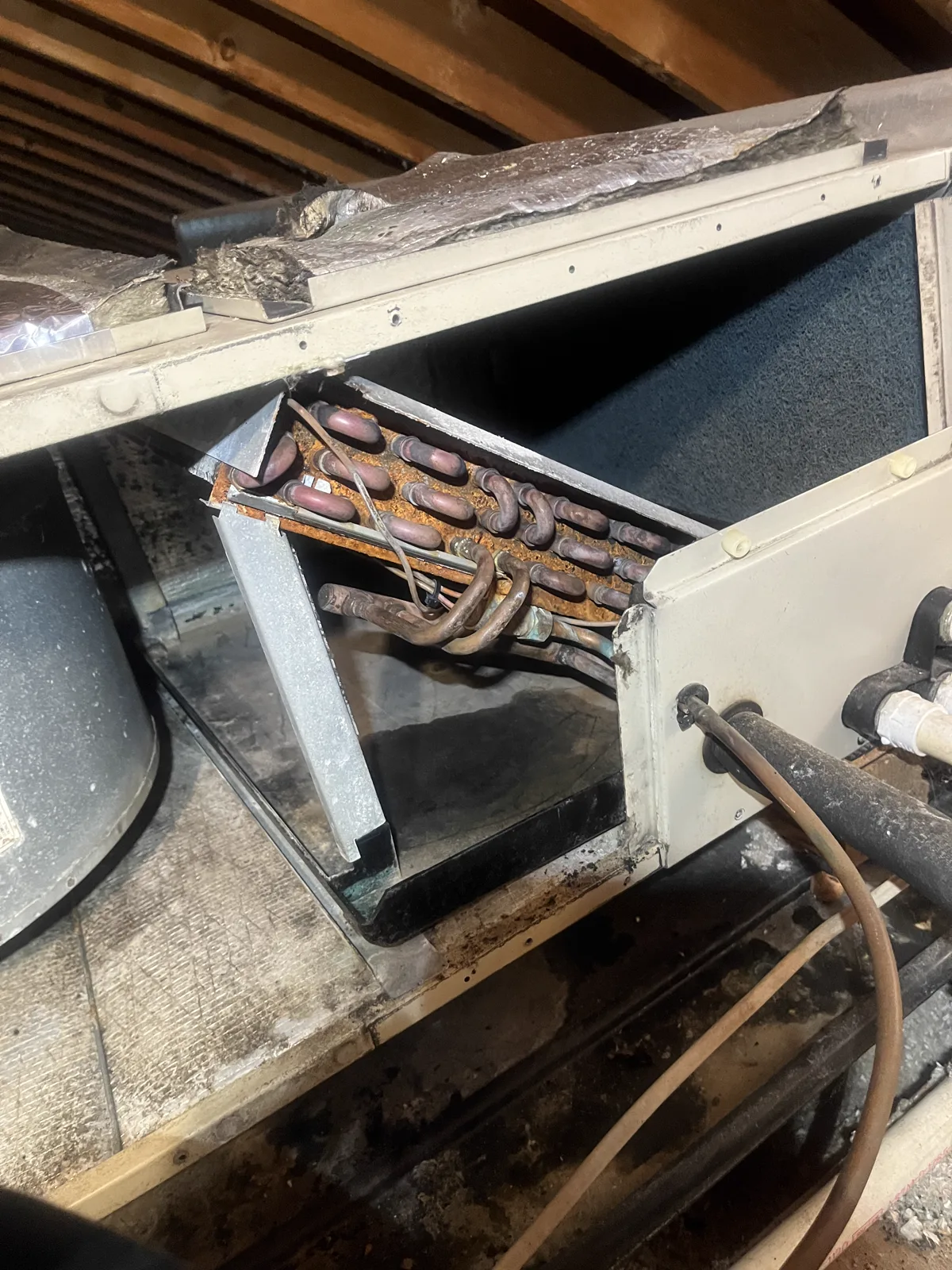
Evaporator Capillary Tube Repair
Completed HVAC evaporator-coil work focused on a leaking capillary tube, with close documentation of the coil and refrigerant tubing.
View completed workHome heating, cooling, and airflow
Residential heating services covering fault diagnosis, new installation, replacement planning, maintenance, and urgent repair requests.
Service directory
Select the equipment and the work you need: repair an existing fault, plan installation or replacement, or arrange maintenance.
Home heating repair for no heat, uneven room temperatures, repeated shutdowns, and unfamiliar heating-system faults.
Open service page → 02Heating installation planned around the home's heat demand, distribution, energy supply, controls, and equipment location.
Open service page → 03Heating replacement for older or failed systems, with a comparison of repair findings, capacity, distribution, and project scope.
Open service page → 04Heating maintenance for seasonal operation, accessible components, controls, and recurring performance concerns in residential systems.
Open service page → 05Urgent heating repair requests for homes with no heat or repeated shutdowns. Call to discuss current availability and the equipment involved.
Open service page →Better service intake
01IdentifyBrand, full model, serial, equipment type, and installation.
02ObserveTemperatures, errors, sounds, leaks, frost, timing, and recent changes.
03LocateProperty type, ZIP, equipment location, access, and operating constraints.
Choose repair when you need to understand a failure, maintenance for planned care, and installation or replacement when evaluating a heating project. If the equipment type is unclear, describe how heat reaches the rooms.
The right conversation includes the heat source and distribution, not only the thermostat setting. Existing comfort problems, operating history, and access help define a scope that addresses your home rather than a one-size-fits-all heating recommendation.
Recent completed work
See recent repairs documented by our technicians with actual photos of the equipment and completed scope.
HVAC
Completed HVAC evaporator-coil work focused on a leaking capillary tube, with close documentation of the coil and refrigerant tubing.
View completed work HVAC
Completed HVAC furnace repair with PCB and igniter replacement, documented at the open furnace and lower control compartment.
View completed work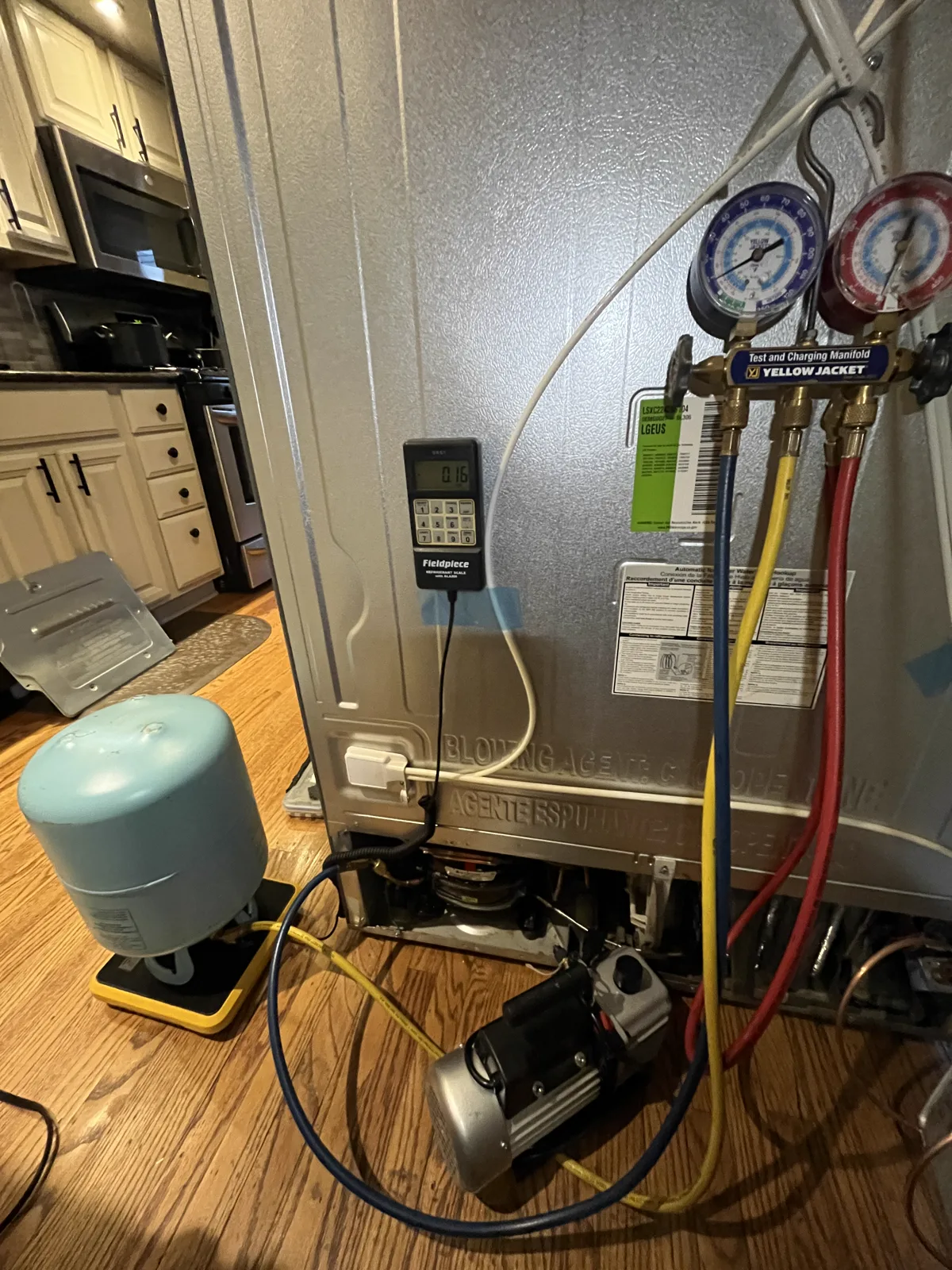 Residential Refrigeration
Filter drier replacement and system flushing on an LG refrigerator sealed circuit.
View completed work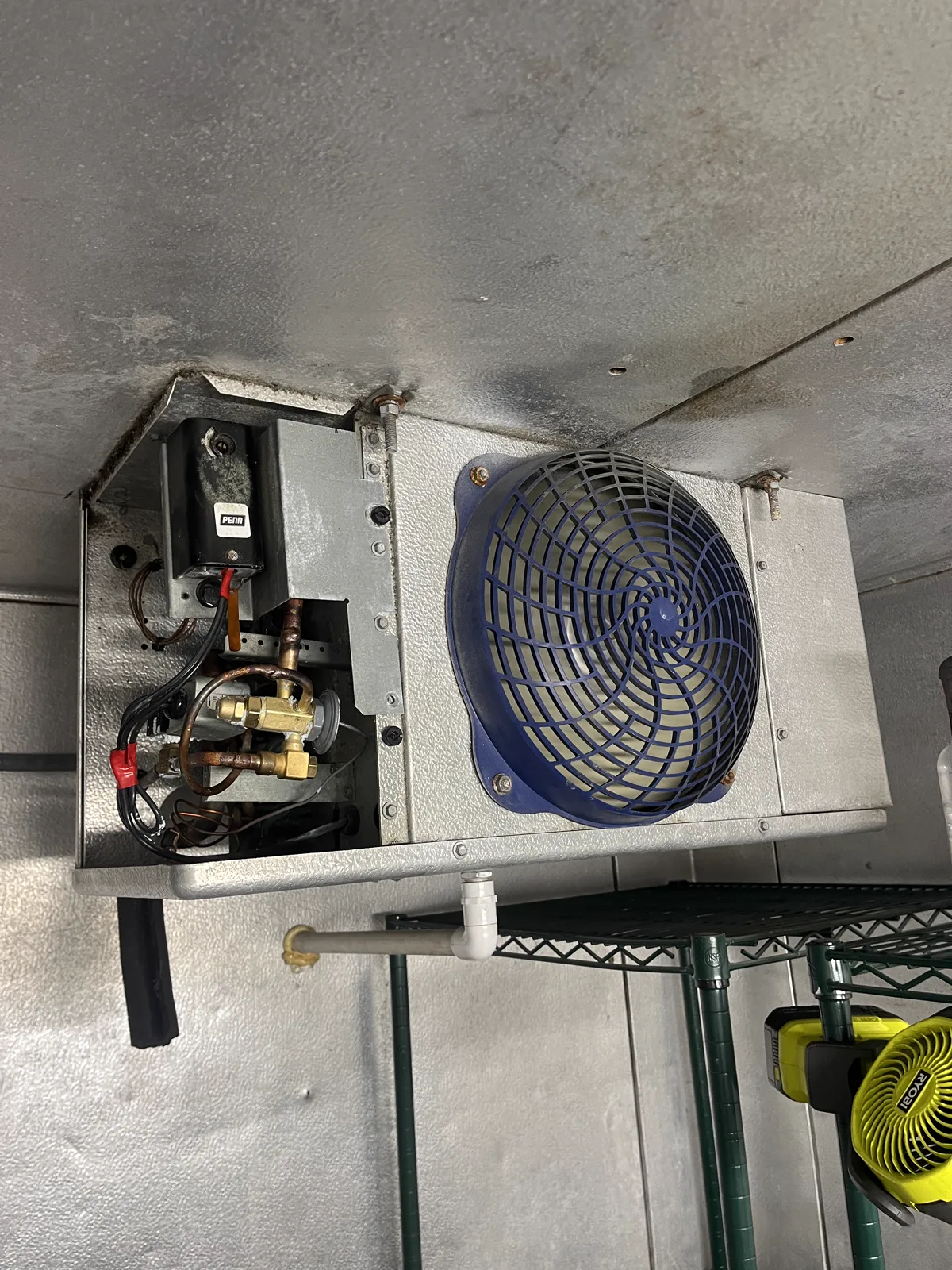 Commercial Refrigeration
TXV valve replacement and a refrigerant-system flush for contamination in a walk-in cooler.
View completed workA furnace moves heated air through ducts. A boiler delivers heat through a water or steam distribution system. A heat pump transfers heat and may work alongside another heating source. These differences matter when describing a problem: cold supply air, a cool radiator, and a heat pump that never reaches its setpoint call for different investigations. Premier Refrigeration & HVAC provides residential heating service in Bucks and Montgomery County with the equipment and the household complaint considered together.
You do not need to identify a failed part before contacting us. Tell us what provides the heat, which rooms are affected, and whether the problem began suddenly or developed over several days. A photograph of an accessible equipment label can distinguish similar-looking units. Leave closed equipment panels in place; the service visit is where internal operating conditions are checked.
When nothing starts, useful observations include whether the thermostat display is active, whether it is calling for heat, and whether an error message is visible. When the system starts but rooms stay cold, the timing and location of the problem become more useful. A furnace that stops soon after starting is a different complaint from a furnace that runs while one upstairs bedroom remains uncomfortable.
For forced-air equipment, furnace repair includes evaluating the heating cycle and the air delivery relevant to the symptom. With radiators or baseboards, boiler repair considers the heat source together with the connected distribution and controls. Avoid assuming that an unheated room means the entire heating appliance needs replacement.
A heating system may behave normally during mild weather and struggle during a colder period, or it may stop only after a long heating call. Note the thermostat setting, the displayed indoor temperature, and approximately how long the equipment ran. If a message appears and later disappears, a photo taken before the display changes is more reliable than trying to recall its wording.
Repeated resets can obscure the sequence that led to a shutdown. Describe any resets already attempted and what happened afterward, but do not keep restarting equipment that shuts itself down. Sounds, odors, and visible water should also be mentioned when arranging service. A potential fuel leak or carbon monoxide alarm requires an immediate emergency response rather than waiting for a routine repair appointment.
The decision to repair or replace should follow a diagnosis, an explanation of the affected components, and a discussion of the existing system. Age alone does not describe condition. Recent repair history, parts availability, the extent of the current fault, and continuing comfort problems all help determine whether another repair makes sense for the household.
For heating replacement, discuss what you want to improve before choosing equipment. An addition, changed room use, or altered insulation can make the original arrangement a poor guide. Distribution capacity, controls, available fuel or electrical service, and installation access need attention alongside the appliance itself. Ask what the proposed work includes and which existing components would remain.
Moving between heating technologies involves more than substituting one box for another. A home with water-based heat may need a separate air-delivery plan for a ducted system. A heat pump paired with a furnace needs a control strategy that coordinates both sources. Room-based equipment requires decisions about placement, drainage, and which spaces each unit is intended to serve.
Our heating installation service can begin with the existing arrangement and your comfort priorities. Identify whether the goal is a complete conversion, a replacement in the same location, or additional heat for a specific room. That distinction helps keep the proposed scope understandable and avoids comparing estimates that cover substantially different work.
Maintenance is an opportunity to assess condition before a period of sustained use. The relevant work differs between a combustion appliance, an electric system, a heat pump, and a boiler. A service plan should identify the equipment covered, the inspection and care included, and how findings will be communicated if repair work is recommended.
If the house already loses heat, the unit repeatedly stops, or a leak is visible, report that when booking heating maintenance. An existing fault may require diagnostic work beyond a scheduled maintenance visit. Keeping a record of previous findings and completed repairs also makes it easier to recognize a recurring problem rather than treating each visit as an unrelated event.
When requesting heating service, include your town, the equipment type if known, and whether the home has no heat at all or uneven heat in certain rooms. Mention access arrangements for a basement, attic, or utility room and any separate thermostats that control affected areas. If someone else manages the property, explain who can authorize repair decisions.
For homes across Bucks and Montgomery County, a clear description helps us prepare for the right conversation about repair, replacement, or ongoing care. You can request heating service online and include equipment details you already have; keep any photos available for the service conversation. Keep the path to the equipment clear without moving installed piping, wiring, or vent connections.
Ready to request service?
Online service request
Share the equipment, location, and preferred appointment window. We will contact you to confirm availability.