Serving Bucks & Montgomery County, Pennsylvania

Maintenance plans for homes & businesses

Commercial Ice Machines guide

Why Commercial Ice Machines Need Water-Side Maintenance

How water quality, scale, cleaning, filtration, drains, airflow, and operating conditions influence ice production.

Publication notePublished educational guide · Updated August 2026

Safety boundary

Use this guide to observe—not dismantle.

Do not bypass safety controls or open energized, gas-fired, pressurized, rotating, or refrigerant-containing equipment. Follow manufacturer and site procedures.

Related service

Water quality changes the interval

Mineral content, sediment, disinfectant chemistry, incoming-water temperature, filtration, and daily production all influence scale and maintenance needs. A calendar interval that works at one property may be inadequate at another. Track filter changes, cleaning dates, production decline, ice appearance, taste or odor concerns, and visible scale. Use the manufacturer’s procedures and approved materials for the exact model and local water conditions.

Cleaning and mechanical service are related but distinct

Food-contact cleaning and sanitizing address hygiene, while mechanical maintenance evaluates water distribution, sensors, valves, pumps, refrigeration, harvest, airflow, drains, and bin controls. One does not substitute for the other. Operators should follow the facility sanitation plan; qualified service should address abnormal production, leaks, error codes, repeated freeze or harvest problems, and component condition. Never mix chemicals or improvise concentrations.

Track production, harvest, and drainage

Record the model, ice type, cycle timing, batch size or daily production trend, water-filter information, error history, and whether the machine stops on a full-bin signal. Note slow harvest, thin or cloudy ice, water overflowing, a warm condenser area, or a drain that backs up. These observations help distinguish water, scale, airflow, control, refrigeration, and installation issues.
Recent completed work

Real equipment. Real field documentation.

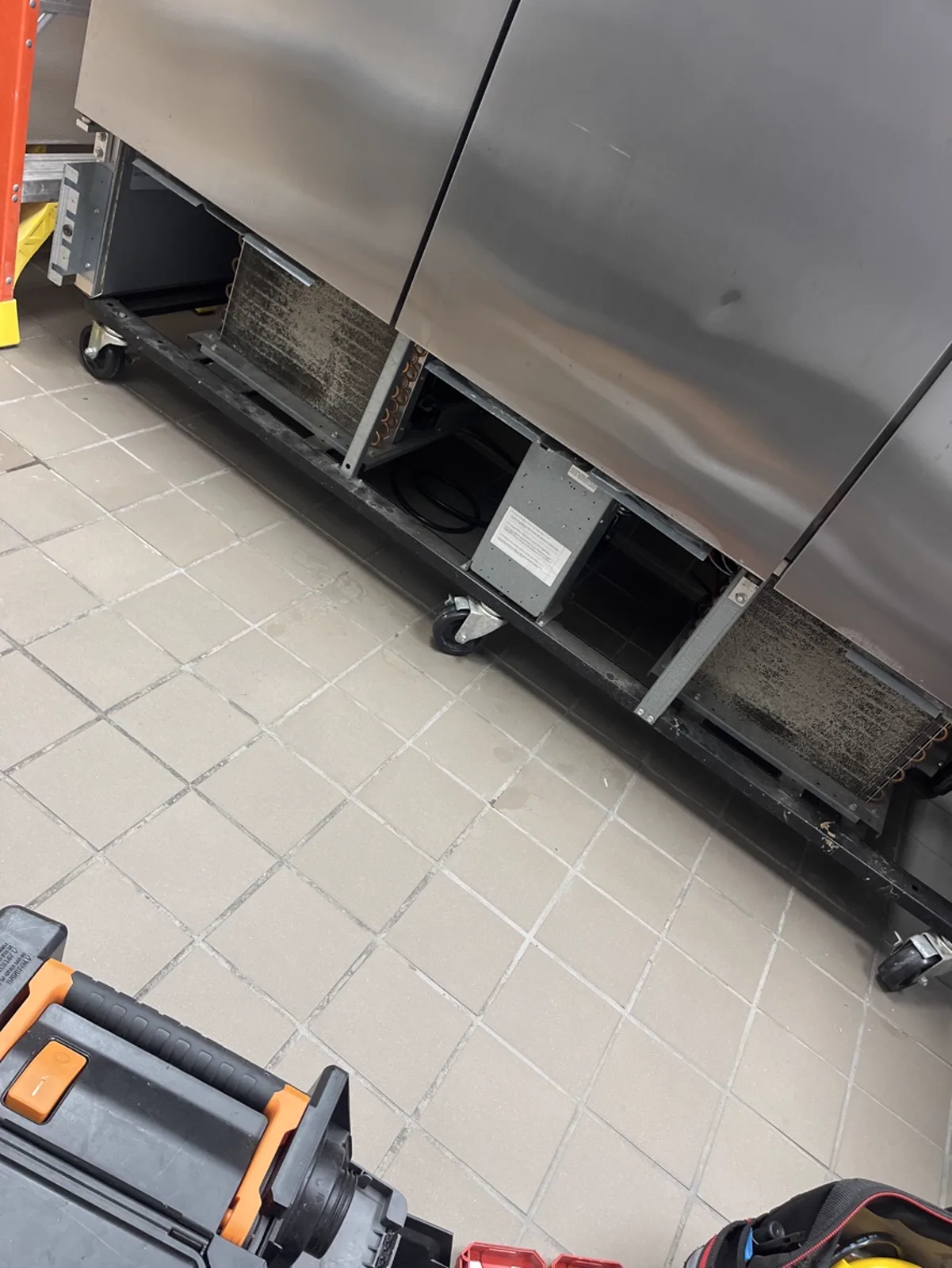
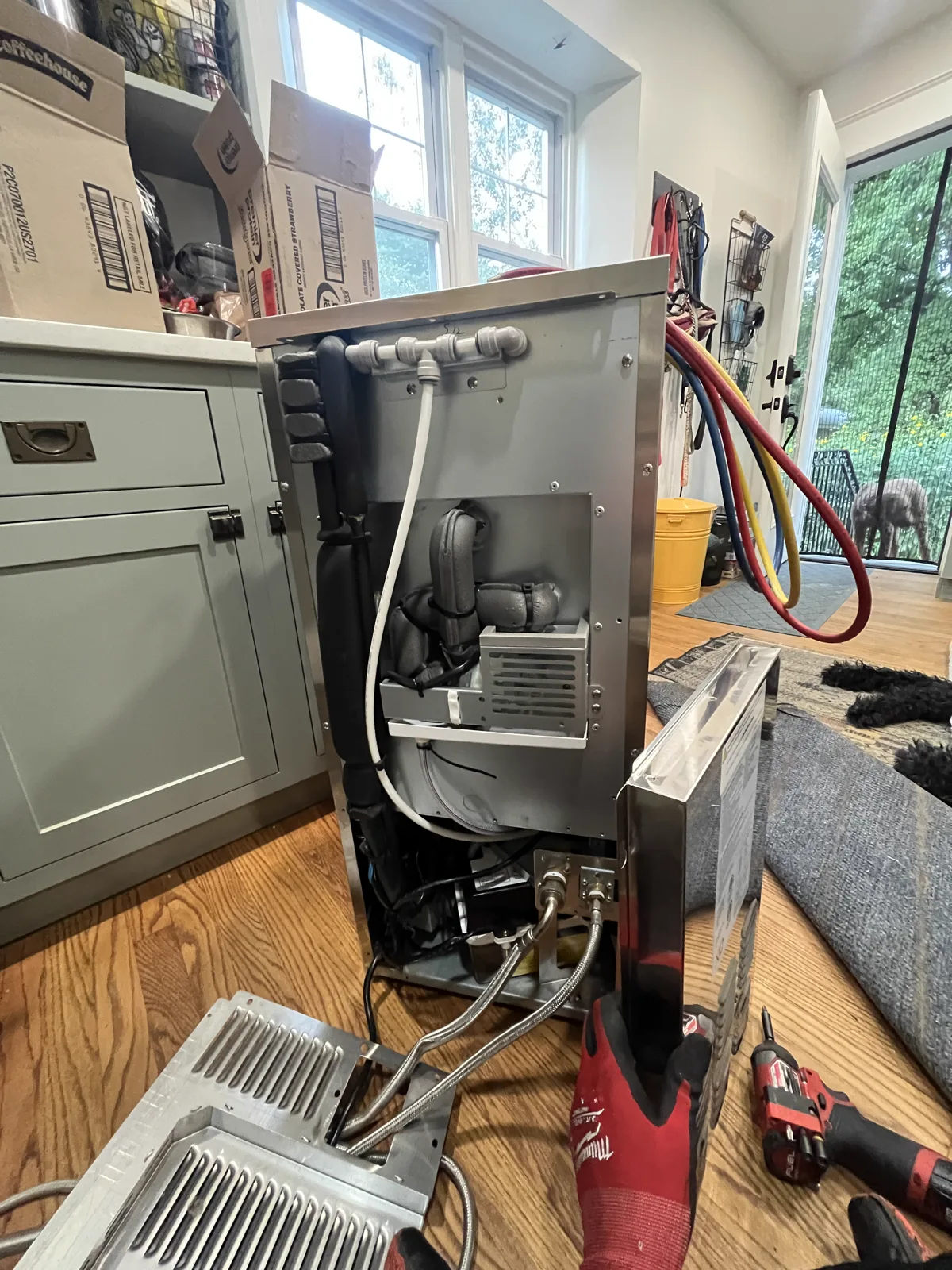
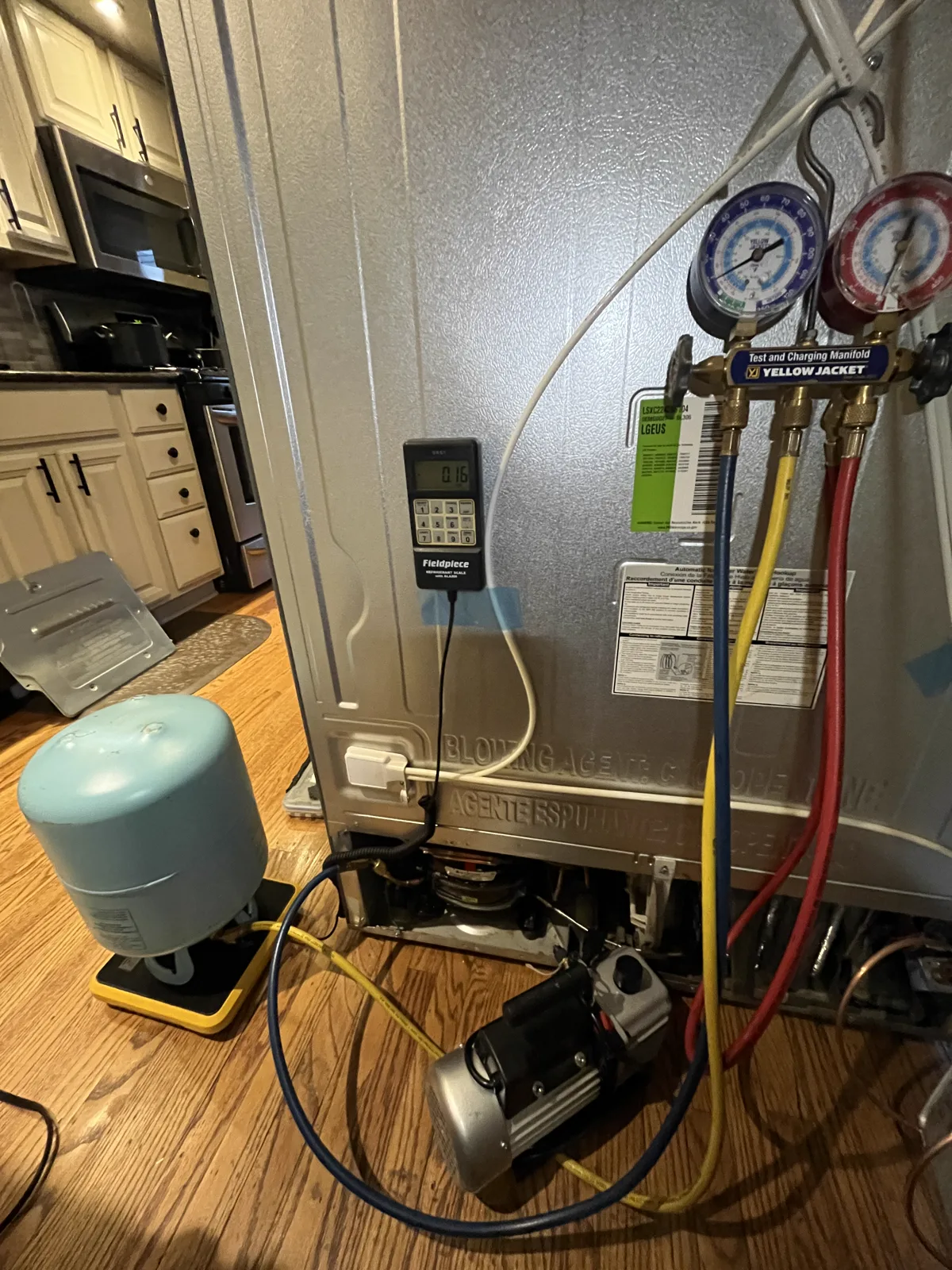
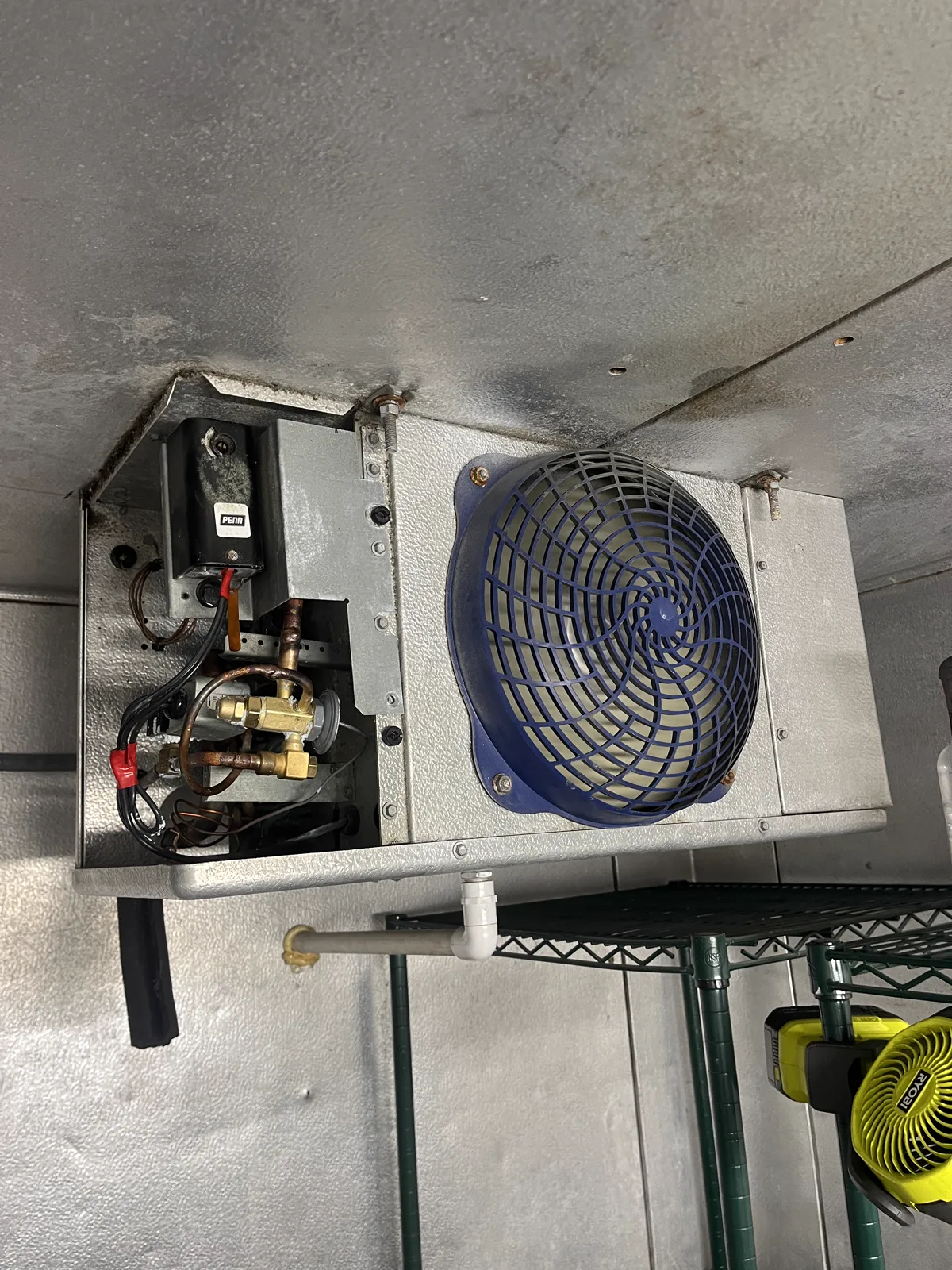
See recent repairs documented by our technicians with actual photos of the equipment and completed scope.

In-depth service guidance

What careful why commercial ice machines need water-side maintenance guide review should establish before work proceeds

The Why Commercial Ice Machines Need Water-Side Maintenance guide is designed to improve the information available before a service conversation. It develops the topics of water quality changes the interval, cleaning and mechanical service are related but distinct, and track production, harvest, and drainage without presenting a website checklist as a diagnosis. Equipment behavior should be connected to the full model, installation, operating history, measured conditions, and applicable manufacturer or site procedures.

Why the same symptom can lead to different findings: reader observations and safety boundaries

A useful reading of this guide separates observations from conclusions. Customers can record changes in temperature, sound, airflow, water, ice, controls, timing, and operating load, but guarded, energized, gas-fired, rotating, pressurized, or refrigerant-containing sections should remain closed. The exact cause depends on inspection and testing appropriate to the equipment.

The order in which water quality changes the interval, cleaning and mechanical service are related but distinct, and track production, harvest, and drainage starts, runs, satisfies a control, and stops can be more informative than the final symptom. For this guide-led equipment review, a call for operation may pass through sensors, controls, safety devices, motors, and heat-transfer components before the expected result appears. Documenting what happens first—and what never happens—preserves evidence without encouraging unsafe panel removal or repeated resets.

Information that changes the diagnostic direction: the page purpose and connected service information

Details that make the request more useful

  • For the Commercial Ice Machine Maintenance page context, identify the exact system, property use, location, and reason for review before assuming a repair scope.
  • Describe which of water quality changes the interval, cleaning and mechanical service are related but distinct, and track production, harvest, and drainage is affected, what space or product it supports, and whether another unit shows the same behavior.
  • Preserve control messages and note the operating sequence before changing settings, cycling power, or clearing an alarm that may contain useful history.
  • List recent maintenance, repairs, power interruptions, loading changes, construction, thermostat adjustments, or operating-schedule changes that preceded the concern.
  • Explain cabinet, roof, mechanical-room, parking, gate, tenant, escort, operating-hour, or stored-product access that can affect safe inspection.
  • Identify visible water, ice, unusual odor, severe noise, repeated breaker trips, or another condition that may require equipment shutdown or a safety procedure first.

Turning findings into a realistic service decision: scope boundaries for commercial ice machine maintenance

After using the guide, compare the observations with the related service scope. If the condition remains unexplained, unsafe, or disruptive, submit the model information, symptom timeline, service ZIP, and access details for review. The educational page supports that next step; it does not guarantee an appointment, part, repair, or outcome.

Next step

Prepare the evidence, then request the appropriate review

Before requesting why commercial ice machines need water-side maintenance guide, collect the complete model information, a concise symptom timeline, safe photos, the service address and ZIP, and any property-access details. Stop ordinary troubleshooting when equipment appears unsafe, and follow the applicable manufacturer, facility, utility, or emergency procedure first.

Prepare the related service request

Questions & answers

Why Commercial Ice Machines Need Water-Side Maintenance FAQ

Direct answers about scope, preparation, safety, service coverage, and the next useful step.

What is the main purpose of this Why Commercial Ice Machines Need Water-Side Maintenance guide?

This guide helps a homeowner, operator, or facility contact collect useful observations and understand the decision factors described in water quality changes the interval, cleaning and mechanical service are related but distinct, track production, harvest, and drainage. It supports a better service conversation but does not replace the equipment manual, site procedure, or qualified diagnosis.

Can this guide be used to diagnose the equipment remotely?

No. The information can organize symptoms, history, temperatures, controls, and installation context, but a cause should not be stated without the exact equipment and appropriate measurements. Electrical, gas-fired, pressurized, rotating, high-voltage, and refrigerant-containing sections should not be opened for a website checklist.

What information should I record after reading Why Commercial Ice Machines Need Water-Side Maintenance?

Record the complete model and serial numbers, setpoints and measured conditions, error codes, sounds, water or ice, operating timing, recent changes, service history, property type, service ZIP, and safe photos. For commercial equipment, add product or process risk, operating hours, and access information.

When should I stop using the equipment discussed in Why Commercial Ice Machines Need Water-Side Maintenance?

Stop and follow the appropriate safety procedure for smoke, burning odor, sparking, gas or carbon-monoxide concern, repeated breaker trips, water at electrical parts, severe mechanical noise, visible overheating, or another condition that appears unsafe. Protect temperature-sensitive product under the facility plan when relevant.

What is the next step after using the Why Commercial Ice Machines Need Water-Side Maintenance checklist?

Compare your observations with the related service page, then submit the equipment model, symptoms, ZIP, and access details. The service team can review whether the request fits the confirmed scope and what additional information is needed before scheduling or preparing a proposal.

Ready to request service?

Send the equipment details while they are in front of you.

Call now Book service