Serving Bucks & Montgomery County, Pennsylvania

Maintenance plans for homes & businesses

HVAC Services guide

HVAC Repair or Replacement: A Better Decision Framework

Compare the actual failure, equipment condition, comfort performance, operating cost, controls, distribution, and replacement goals.

Publication notePublished educational guide · Updated August 2026

Safety boundary

Use this guide to observe—not dismantle.

Do not bypass safety controls or open energized, gas-fired, pressurized, rotating, or refrigerant-containing equipment. Follow manufacturer and site procedures.

Related service

Separate the current failure from total performance

Define what failed, the repair needed, and the condition of the remaining system. Then evaluate comfort, humidity, airflow, noise, cycling, maintenance history, and recurring failures separately. A repair may be sensible when the rest of the system performs well; replacement may deserve consideration when the immediate failure is one part of a broader capacity, reliability, distribution, or installation problem.

Include ducts, controls, and installation constraints

New equipment cannot automatically correct undersized or leaking ducts, poor return airflow, zoning problems, incompatible controls, drainage, electrical limitations, combustion-air issues, or an unsuitable equipment location. Document room-by-room complaints, equipment and duct access, thermostat and zoning design, utility connections, and any building changes. A replacement proposal should state which related conditions are included and which remain.

Compare defined scopes—not headline prices

For repair, compare diagnosis, parts, labor, warranty, remaining risks, and expected operating outcome. For replacement, compare equipment selection, load and distribution assumptions, efficiency ratings, controls, permits, electrical or gas work, drainage, disposal, commissioning, warranty, and maintenance needs. Financing or incentives should be evaluated only with current written terms. The decision should match the owner’s comfort, reliability, budget, and ownership-horizon priorities.
Recent completed work

Real equipment. Real field documentation.

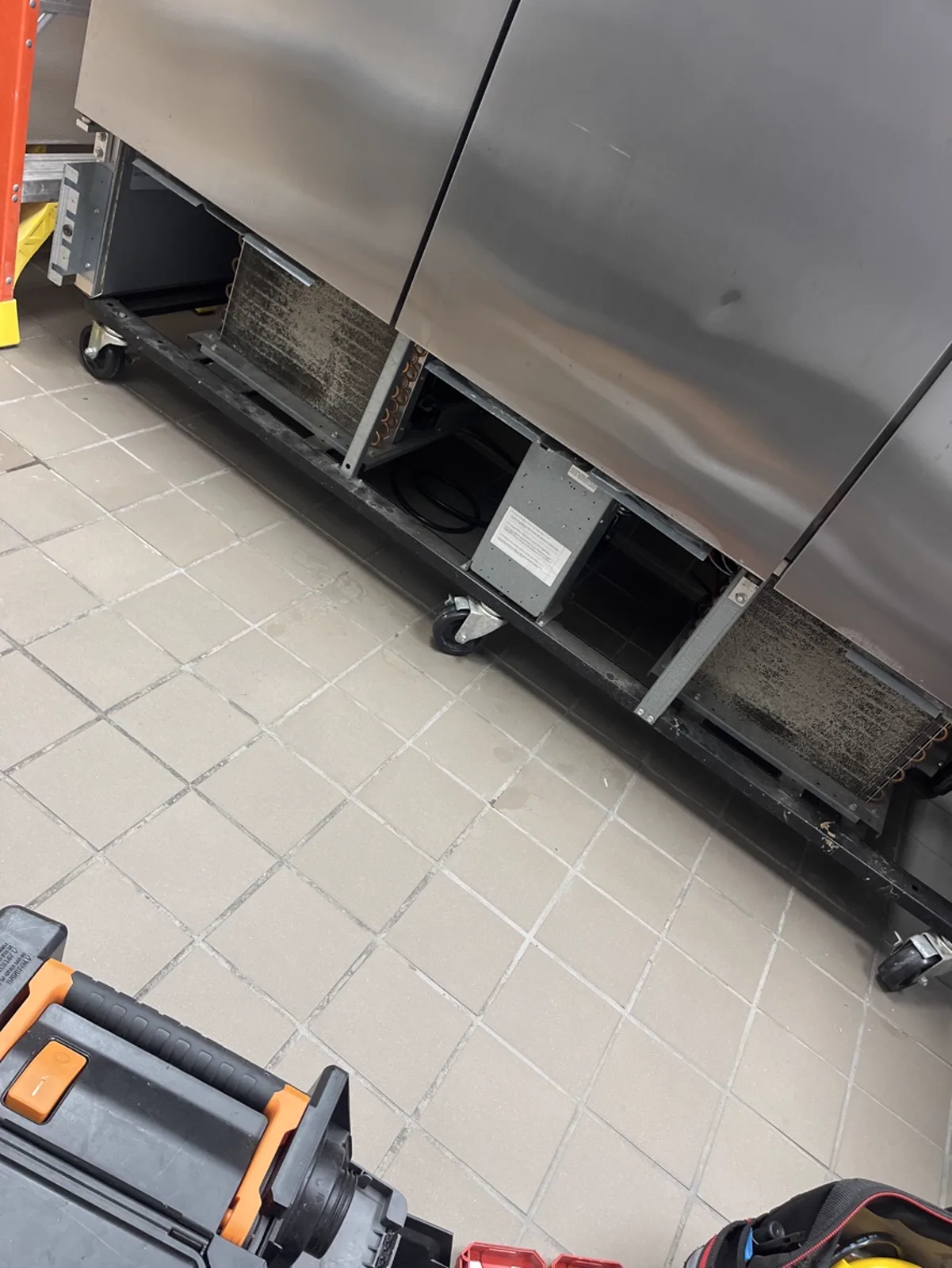
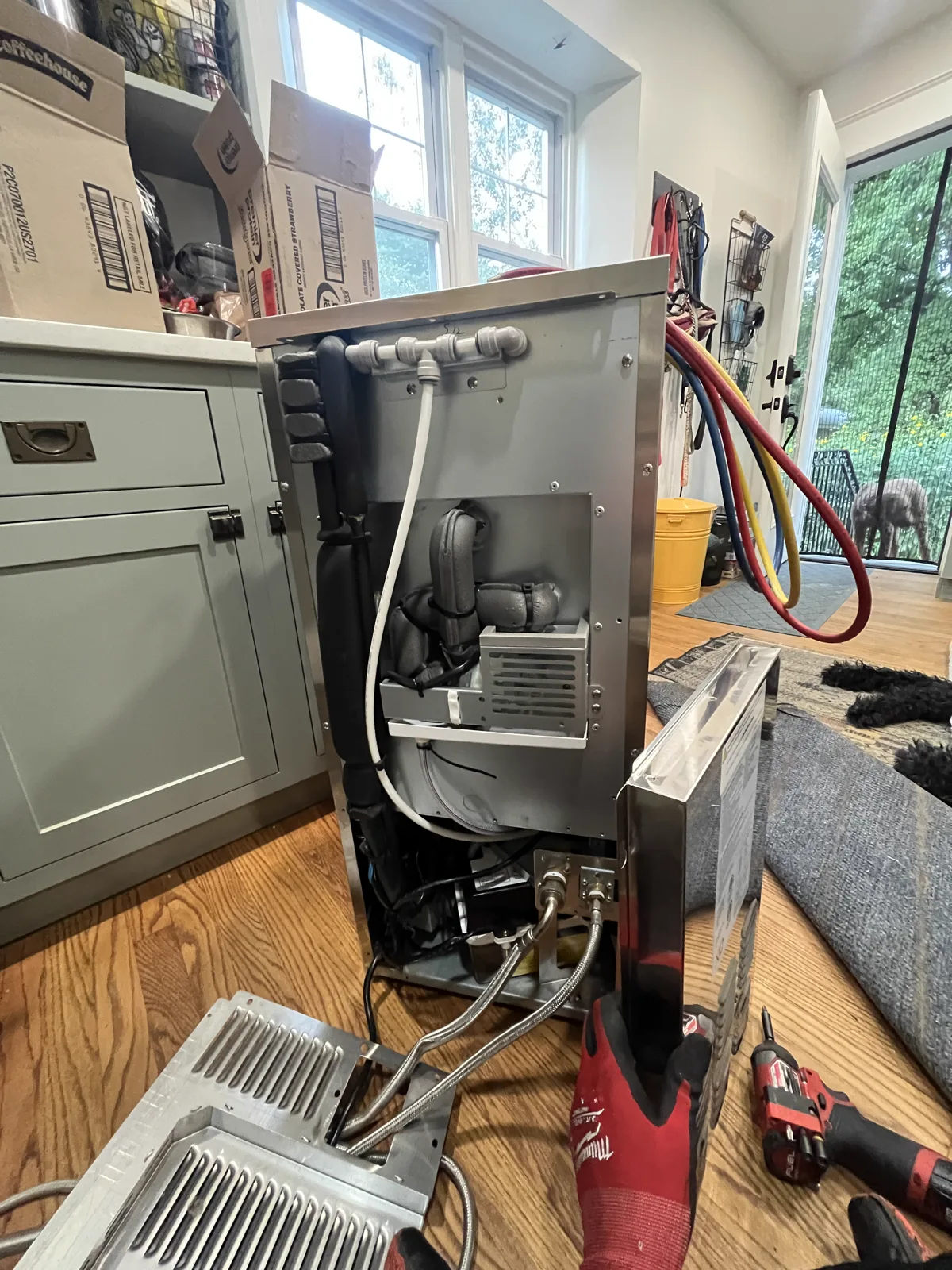
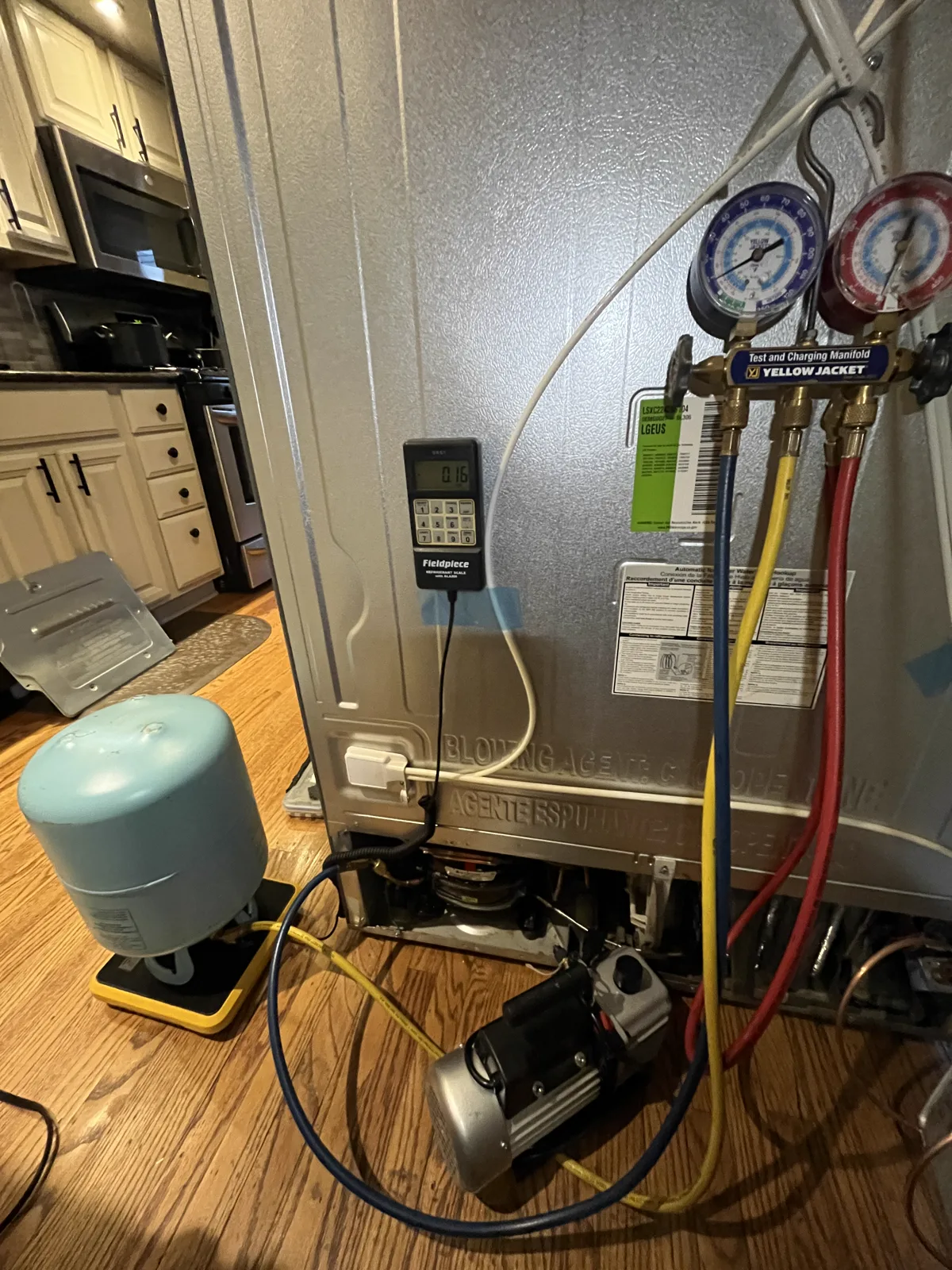
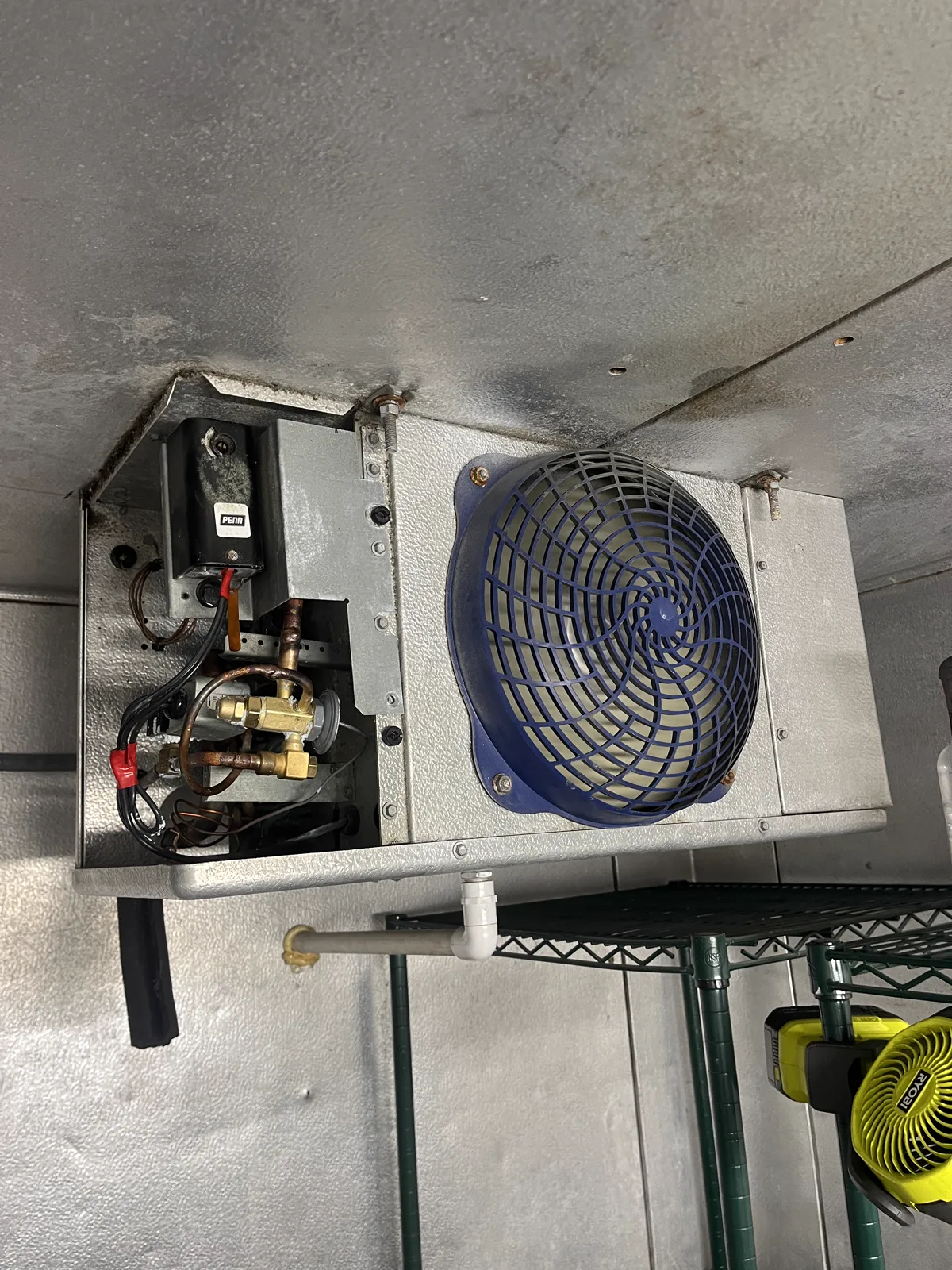
See recent repairs documented by our technicians with actual photos of the equipment and completed scope.

In-depth service guidance

How to prepare for hvac repair or replacement: a better decision framework guide without guessing at the failed component

The HVAC Repair or Replacement: A Better Decision Framework guide is designed to improve the information available before a service conversation. It develops the topics of separate the current failure from total performance, include ducts, controls, and installation constraints, and compare defined scopes—not headline prices without presenting a website checklist as a diagnosis. Equipment behavior should be connected to the full model, installation, operating history, measured conditions, and applicable manufacturer or site procedures.

Why the same symptom can lead to different findings: reader observations and safety boundaries

A useful reading of this guide separates observations from conclusions. Customers can record changes in temperature, sound, airflow, water, ice, controls, timing, and operating load, but guarded, energized, gas-fired, rotating, pressurized, or refrigerant-containing sections should remain closed. The exact cause depends on inspection and testing appropriate to the equipment.

Good access planning makes this guide-led equipment review more productive. Built-in panels, stored product, locked mechanical rooms, roof hatches, tenant coordination, loading areas, parking restrictions, and operating hours can determine which checks are possible. Sharing those details before the visit helps protect surrounding finishes and reduces avoidable delays while keeping the requested scope realistic.

Information that changes the diagnostic direction: the page purpose and connected service information

Details that make the request more useful

  • For the Hvac Repair Or Replace page context, identify the exact system, property use, location, and reason for review before assuming a repair scope.
  • List recent maintenance, repairs, power interruptions, loading changes, construction, thermostat adjustments, or operating-schedule changes that preceded the concern.
  • Explain cabinet, roof, mechanical-room, parking, gate, tenant, escort, operating-hour, or stored-product access that can affect safe inspection.
  • Identify visible water, ice, unusual odor, severe noise, repeated breaker trips, or another condition that may require equipment shutdown or a safety procedure first.
  • Provide the exact service address and ZIP in Bucks and Montgomery County, Pennsylvania so geographic routing is reviewed together with equipment scope and availability.
  • State the practical impact—comfort, product temperature, occupied area, process, tenant, guest, or schedule—without estimating a cause or financial loss.

Turning findings into a realistic service decision: scope boundaries for hvac repair or replace

After using the guide, compare the observations with the related service scope. If the condition remains unexplained, unsafe, or disruptive, submit the model information, symptom timeline, service ZIP, and access details for review. The educational page supports that next step; it does not guarantee an appointment, part, repair, or outcome.

Next step

Prepare the evidence, then request the appropriate review

Before requesting hvac repair or replacement: a better decision framework guide, collect the complete model information, a concise symptom timeline, safe photos, the service address and ZIP, and any property-access details. Stop ordinary troubleshooting when equipment appears unsafe, and follow the applicable manufacturer, facility, utility, or emergency procedure first.

Prepare the related service request

Questions & answers

HVAC Repair or Replacement: A Better Decision Framework FAQ

Direct answers about scope, preparation, safety, service coverage, and the next useful step.

What is the main purpose of this HVAC Repair or Replacement: A Better Decision Framework guide?

This guide helps a homeowner, operator, or facility contact collect useful observations and understand the decision factors described in separate the current failure from total performance, include ducts, controls, and installation constraints, compare defined scopes—not headline prices. It supports a better service conversation but does not replace the equipment manual, site procedure, or qualified diagnosis.

Can this guide be used to diagnose the equipment remotely?

No. The information can organize symptoms, history, temperatures, controls, and installation context, but a cause should not be stated without the exact equipment and appropriate measurements. Electrical, gas-fired, pressurized, rotating, high-voltage, and refrigerant-containing sections should not be opened for a website checklist.

What information should I record after reading HVAC Repair or Replacement: A Better Decision Framework?

Record the complete model and serial numbers, setpoints and measured conditions, error codes, sounds, water or ice, operating timing, recent changes, service history, property type, service ZIP, and safe photos. For commercial equipment, add product or process risk, operating hours, and access information.

When should I stop using the equipment discussed in HVAC Repair or Replacement: A Better Decision Framework?

Stop and follow the appropriate safety procedure for smoke, burning odor, sparking, gas or carbon-monoxide concern, repeated breaker trips, water at electrical parts, severe mechanical noise, visible overheating, or another condition that appears unsafe. Protect temperature-sensitive product under the facility plan when relevant.

What is the next step after using the HVAC Repair or Replacement: A Better Decision Framework checklist?

Compare your observations with the related service page, then submit the equipment model, symptoms, ZIP, and access details. The service team can review whether the request fits the confirmed scope and what additional information is needed before scheduling or preparing a proposal.

Ready to request service?

Send the equipment details while they are in front of you.

Call now Book service