Serving Bucks & Montgomery County, Pennsylvania

Maintenance plans for homes & businesses

Rooftop Units guide

Commercial Rooftop Unit Maintenance Planning

How access, filters, belts, coils, drains, economizers, burners, controls, and tenant schedules shape an RTU plan.

Publication notePublished educational guide · Updated August 2026

Safety boundary

Use this guide to observe—not dismantle.

Do not bypass safety controls or open energized, gas-fired, pressurized, rotating, or refrigerant-containing equipment. Follow manufacturer and site procedures.

Related service

Plan roof access before the visit

Identify each unit, the spaces it serves, roof-access procedure, ladder or hatch requirements, keys, escort rules, fall-protection expectations, electrical-disconnect location, and occupied schedule. Record model, serial, unit number, filter and belt information, control type, and known complaints. Good access planning reduces lost time and keeps the technician from guessing which rooftop unit serves an affected area.

Connect equipment findings to space complaints

A rooftop check should be tied to zone temperature, thermostat or building-control demand, supply and return conditions, ventilation requirements, and the time the complaint occurs. A unit may appear to run while economizer position, outside-air load, sensor error, fan performance, distribution, or scheduling prevents the space from reaching setpoint. Capture both equipment observations and occupied-space context.

Track seasonal components and follow-up

Depending on the unit, maintenance can include filters, belts, bearings, coils, drains, electrical connections, contactors, capacitors, heat exchangers, burners, safeties, economizers, dampers, sensors, actuators, refrigerant-circuit observations, and control sequences. Record measured condition and recommended priority rather than only marking a checklist complete. Deferred items should have an owner and a planned next step.
Recent completed work

Real equipment. Real field documentation.

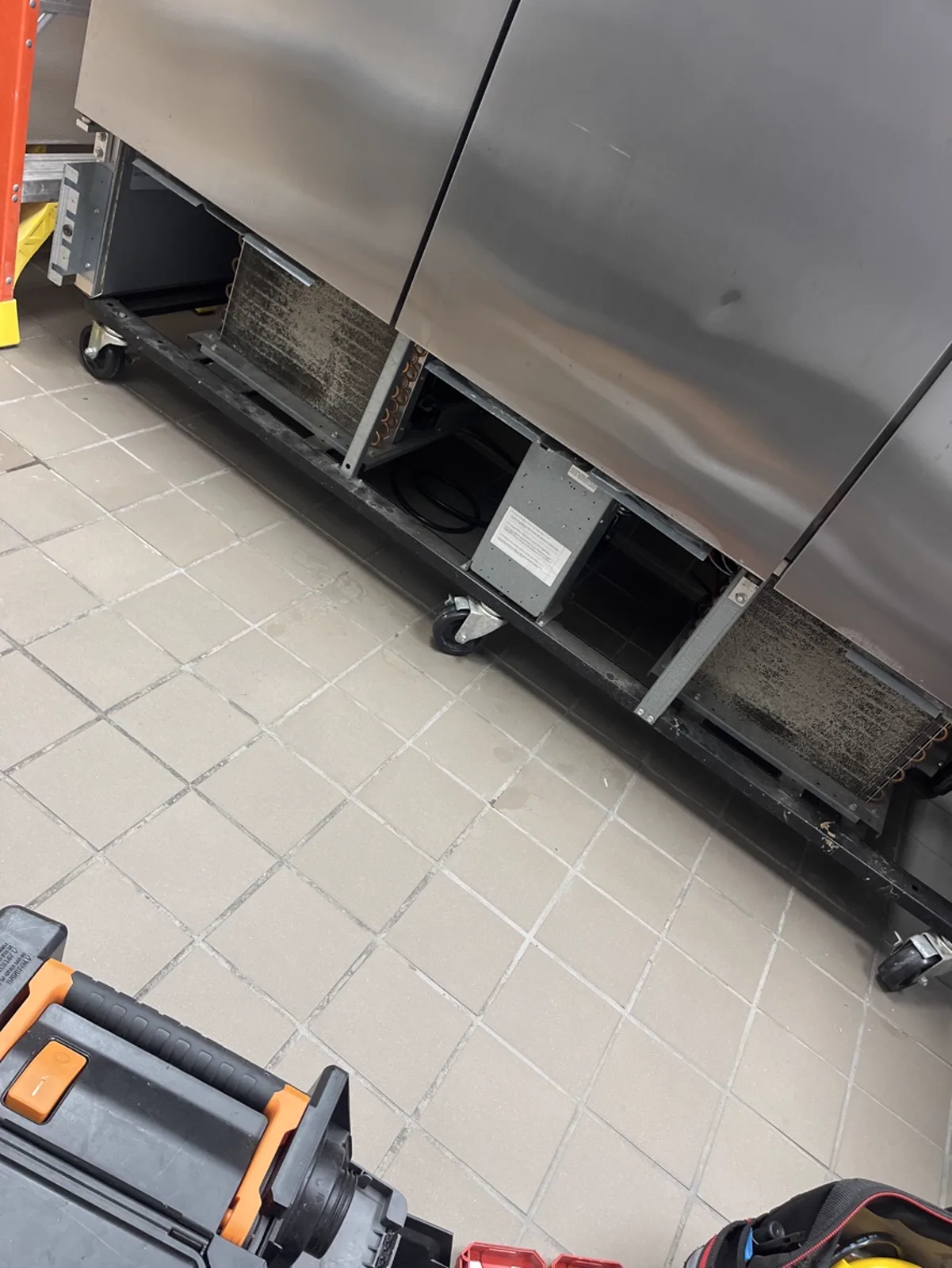
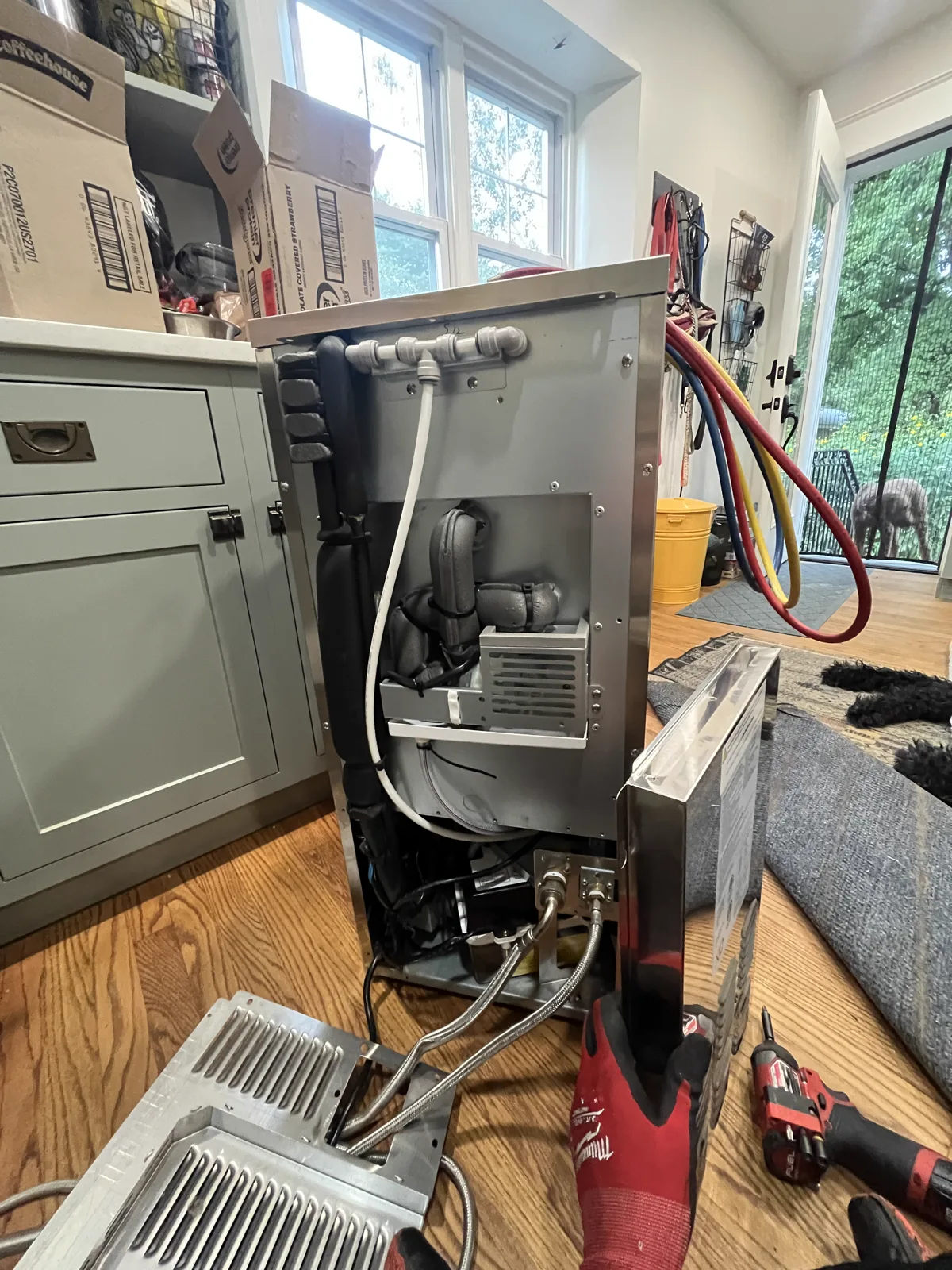
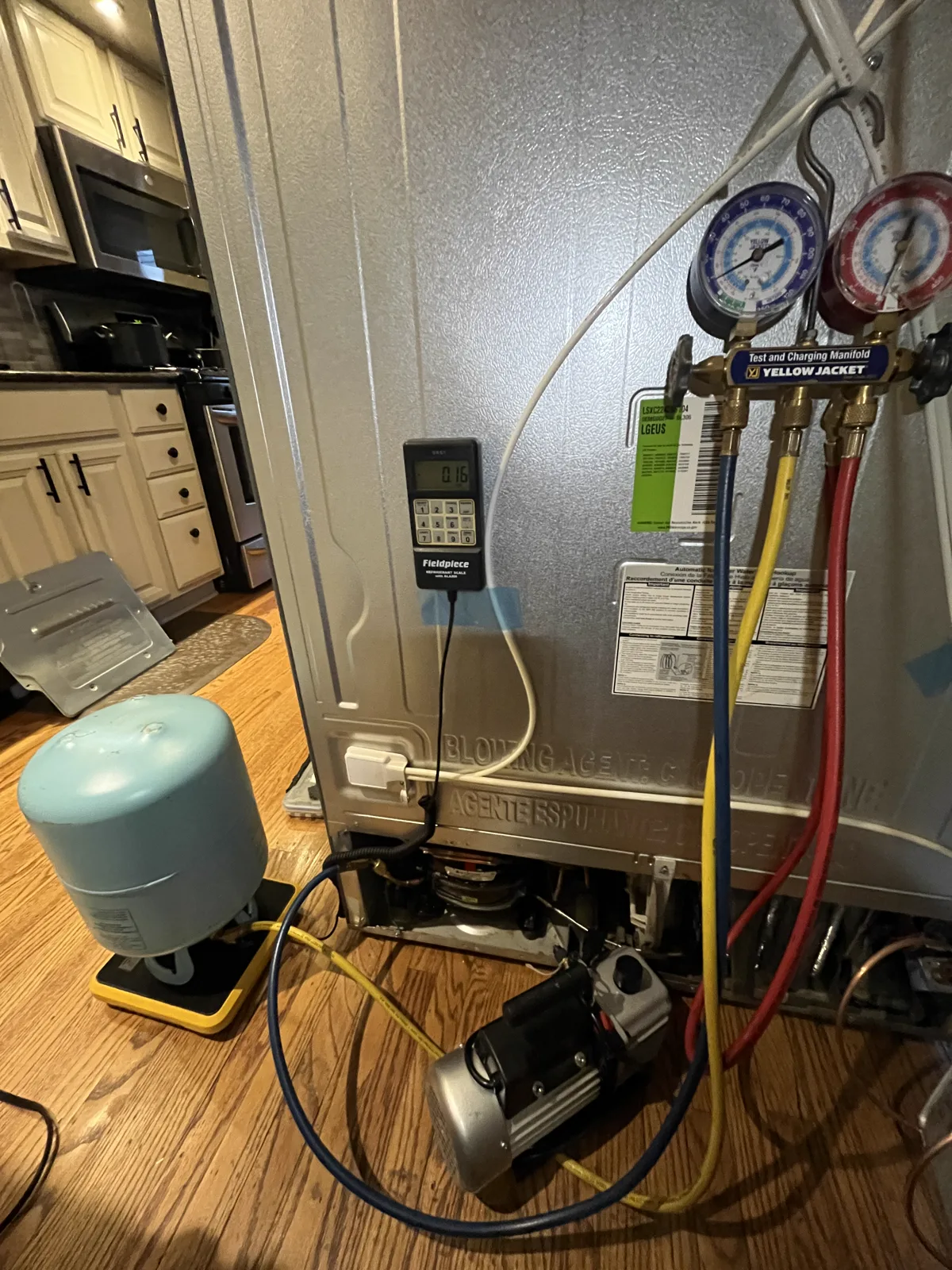
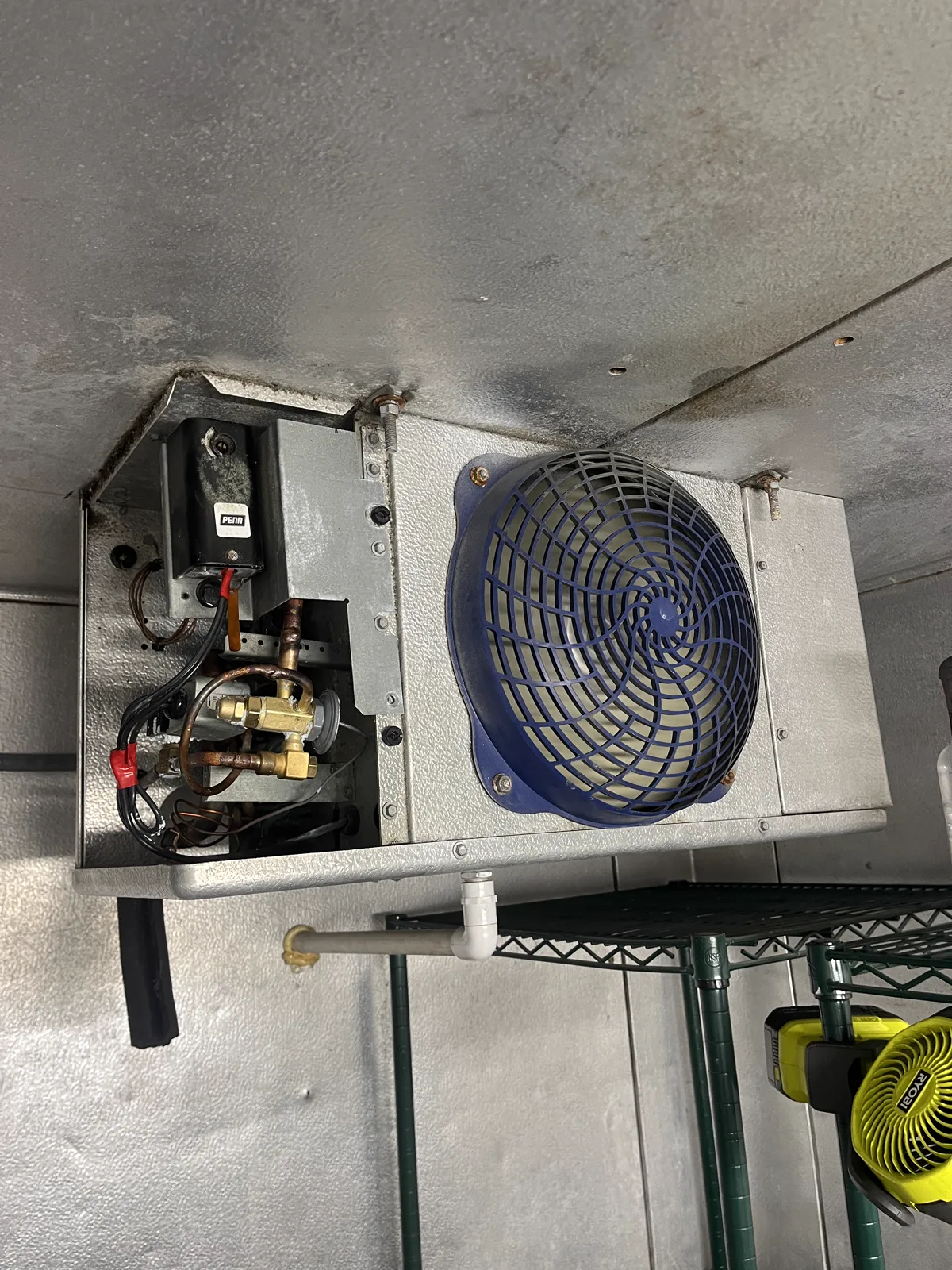
See recent repairs documented by our technicians with actual photos of the equipment and completed scope.

In-depth service guidance

Understanding commercial rooftop unit maintenance planning guide through operating history and system relationships

The Commercial Rooftop Unit Maintenance Planning guide is designed to improve the information available before a service conversation. It develops the topics of plan roof access before the visit, connect equipment findings to space complaints, and track seasonal components and follow-up without presenting a website checklist as a diagnosis. Equipment behavior should be connected to the full model, installation, operating history, measured conditions, and applicable manufacturer or site procedures.

Separate visible behavior from the underlying cause: reader observations and safety boundaries

A useful reading of this guide separates observations from conclusions. Customers can record changes in temperature, sound, airflow, water, ice, controls, timing, and operating load, but guarded, energized, gas-fired, rotating, pressurized, or refrigerant-containing sections should remain closed. The exact cause depends on inspection and testing appropriate to the equipment.

Operating load changes the meaning of many symptoms. Door traffic, product loading, cooking activity, occupancy, weather, blocked heat rejection, filter condition, and schedule changes can affect plan roof access before the visit, connect equipment findings to space complaints, and track seasonal components and follow-up. A this guide-led equipment review review should distinguish expected response to a temporary load from performance that remains unstable after normal conditions return.

Prepare access, model data, and site context: the page purpose and connected service information

Details that make the request more useful

  • For the Rooftop Unit Maintenance Checklist page context, identify the exact system, property use, location, and reason for review before assuming a repair scope.
  • Record the normal setting and the measured condition associated with changes in temperature, sound, airflow, water, ice, controls, timing, and operating load, including when the reading was taken and whether it later changed.
  • Describe which of plan roof access before the visit, connect equipment findings to space complaints, and track seasonal components and follow-up is affected, what space or product it supports, and whether another unit shows the same behavior.
  • Preserve control messages and note the operating sequence before changing settings, cycling power, or clearing an alarm that may contain useful history.
  • List recent maintenance, repairs, power interruptions, loading changes, construction, thermostat adjustments, or operating-schedule changes that preceded the concern.
  • Explain cabinet, roof, mechanical-room, parking, gate, tenant, escort, operating-hour, or stored-product access that can affect safe inspection.

Use the diagnosis to choose a proportional response: scope boundaries for rooftop unit maintenance checklist

After using the guide, compare the observations with the related service scope. If the condition remains unexplained, unsafe, or disruptive, submit the model information, symptom timeline, service ZIP, and access details for review. The educational page supports that next step; it does not guarantee an appointment, part, repair, or outcome.

Next step

Prepare the evidence, then request the appropriate review

Before requesting commercial rooftop unit maintenance planning guide, collect the complete model information, a concise symptom timeline, safe photos, the service address and ZIP, and any property-access details. Stop ordinary troubleshooting when equipment appears unsafe, and follow the applicable manufacturer, facility, utility, or emergency procedure first.

Prepare the related service request

Questions & answers

Commercial Rooftop Unit Maintenance Planning FAQ

Direct answers about scope, preparation, safety, service coverage, and the next useful step.

What is the main purpose of this Commercial Rooftop Unit Maintenance Planning guide?

This guide helps a homeowner, operator, or facility contact collect useful observations and understand the decision factors described in plan roof access before the visit, connect equipment findings to space complaints, track seasonal components and follow-up. It supports a better service conversation but does not replace the equipment manual, site procedure, or qualified diagnosis.

Can this guide be used to diagnose the equipment remotely?

No. The information can organize symptoms, history, temperatures, controls, and installation context, but a cause should not be stated without the exact equipment and appropriate measurements. Electrical, gas-fired, pressurized, rotating, high-voltage, and refrigerant-containing sections should not be opened for a website checklist.

What information should I record after reading Commercial Rooftop Unit Maintenance Planning?

Record the complete model and serial numbers, setpoints and measured conditions, error codes, sounds, water or ice, operating timing, recent changes, service history, property type, service ZIP, and safe photos. For commercial equipment, add product or process risk, operating hours, and access information.

When should I stop using the equipment discussed in Commercial Rooftop Unit Maintenance Planning?

Stop and follow the appropriate safety procedure for smoke, burning odor, sparking, gas or carbon-monoxide concern, repeated breaker trips, water at electrical parts, severe mechanical noise, visible overheating, or another condition that appears unsafe. Protect temperature-sensitive product under the facility plan when relevant.

What is the next step after using the Commercial Rooftop Unit Maintenance Planning checklist?

Compare your observations with the related service page, then submit the equipment model, symptoms, ZIP, and access details. The service team can review whether the request fits the confirmed scope and what additional information is needed before scheduling or preparing a proposal.

Ready to request service?

Send the equipment details while they are in front of you.

Call now Book service